One Perfect Sentence: The Case for Slow Writing in KS2 Classrooms
Photo: Richard Dorrell, CC BY-SA 2.0, via Wikimedia Commons
Let us be honest about something that sits uncomfortably in many primary writing lessons: quantity is frequently mistaken for quality. The implicit message — reinforced by exercise books filled to the margin, by 'how many paragraphs did you write?' as a measure of productivity, by the anxious glance at the clock as a lesson draws to a close — is that more writing is better writing.
It is not.
Slow writing is a deliberately counter-intuitive approach that inverts this assumption entirely. Its central proposition is simple: pupils spend an entire lesson — all of it — crafting, interrogating, reworking, and ultimately perfecting a single sentence. Not a paragraph. Not a page. One sentence.
The results, when this approach is implemented with genuine commitment, are frequently extraordinary.
Why Volume Culture Fails Young Writers
The pressure to produce extended writing in KS2 is understandable. Teachers are working within a curriculum that expects pupils to write at length, and SATs assessments reward sustained composition. But the path to writing well at length does not run through writing a great deal badly.
When pupils are asked to generate pages of first-draft work within a single lesson, several things tend to happen. Word choice defaults to the familiar and the safe. Sentence structures become repetitive because there is no time to experiment. The internal editor — the voice that asks 'is this the best way to say this?' — is never given the opportunity to develop. Writing becomes a performance of productivity rather than an act of genuine craft.
Slow writing interrupts this cycle at its source.
What Slow Writing Actually Looks Like
A slow writing lesson typically begins with a stimulus — an image, an object, a short piece of music, a single line from a published text. The teacher establishes the context: today, we are writing one sentence. That sentence might open a story, conclude a non-fiction paragraph, or form the emotional pivot of a persuasive piece. The form matters less than the intent.
Pupils draft their sentence. Then they read it aloud. Then they question every single word.
The teacher's role shifts here from instructor to interrogator — not in a pressuring sense, but in a Socratic one. 'Why walked and not moved? What does crept give you that walked doesn't? If you remove that adjective, does the sentence lose anything, or does it gain clarity?' These questions are not rhetorical. Pupils are expected to answer them, to try alternatives, to read both versions aloud and listen for the difference.
By the end of the lesson, each pupil has one sentence. But it is a sentence they have genuinely authored — one in which every word has been examined and chosen with intention.
Practical Application Across Year Groups
Years 3 and 4: Sentence as Discovery
For younger KS2 pupils, the slow writing lesson is most productively framed around narrative openings or descriptive sentences. The focus at this stage is on word choice and reading aloud: does this sentence sound like something a real author would write? Pupils benefit from a short bank of alternatives to explore — not as a scaffold to lean on indefinitely, but as a demonstration that options always exist.
A Year 4 class writing a single sentence to open a story set in a winter forest, for instance, might spend twenty minutes on the question of whether their setting 'was' silent or 'felt' silent — and in that twenty minutes, learn more about the difference between observation and perception than any grammar exercise could convey.
Years 5 and 6: Sentence as Architecture
Older pupils can engage with slow writing at a structural level as well as a lexical one. A Year 6 pupil crafting a single sentence for a persuasive piece might experiment with subordinate clauses, with the position of the main verb, with the rhetorical weight of a short sentence versus a long one. The sentence becomes a site of syntactic investigation.
Teachers of upper KS2 can also use slow writing as a vehicle for studying mentor texts. Before pupils write their own sentence, they examine how a published author — Michael Morpurgo, Malorie Blackman, or Frank Cottrell-Boyce, for example — constructs a comparable moment. What decisions did that author make? What might the sentence have looked like before revision?
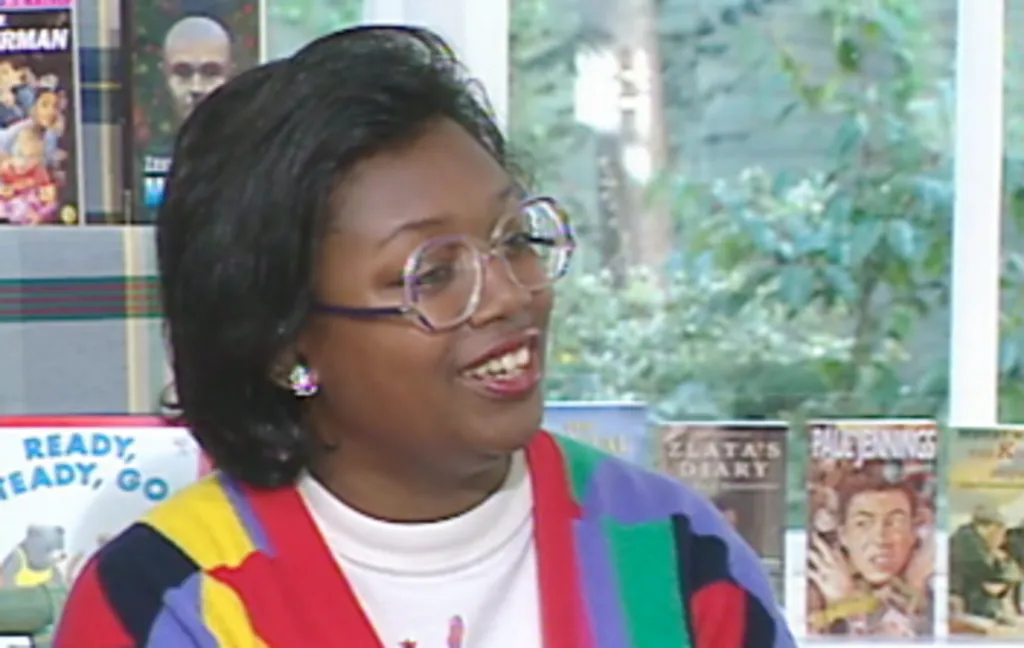 Photo: Malorie Blackman, via ichef.bbci.co.uk
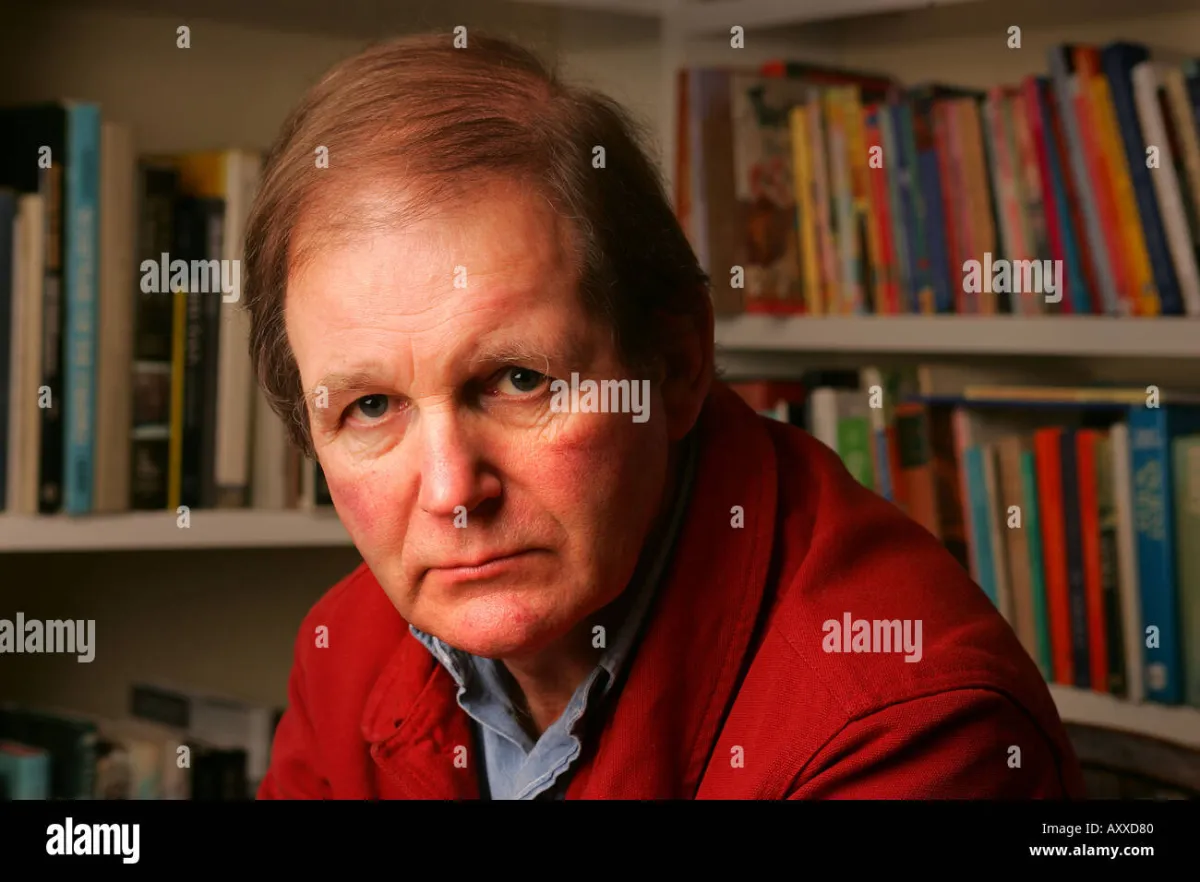 Photo: Michael Morpurgo, via c8.alamy.com
Addressing the Objections
The most common concern raised by teachers encountering slow writing for the first time is coverage: if pupils write one sentence per lesson, how will they ever produce extended pieces?
The answer is that slow writing is not intended to replace all other forms of writing instruction. It is a practice — ideally used once or twice per week — that builds the habits of mind that make extended writing better. A pupil who has spent several weeks interrogating individual sentences brings an entirely different level of intention to a sustained writing task than one who has only ever been asked to write at speed.
A second concern relates to differentiation. In practice, slow writing tends to be naturally inclusive: it removes the anxiety of blank-page paralysis for reluctant writers and challenges high-attaining pupils to reach beyond their comfortable defaults. The single sentence is a genuinely level playing field.
The Shift This Creates
Slow writing, at its most effective, produces a fundamental change in how pupils understand what writing is. They begin to grasp that writing is not transcription — the conversion of thought into words — but selection: the process of choosing, from among all the words available, precisely the right ones.
That understanding, once established, does not leave. It follows pupils into every piece of extended writing they subsequently attempt, into every revision session, into every moment when they pause and ask themselves the most important question a young writer can learn to ask: is this the best way to say this?
One sentence. Extraordinary results.