Beyond Independent Reading: Why Year 6 Pupils Still Need Daily Teacher Read-Alouds
The scene is depressingly familiar across countless Year 6 classrooms: reading corners gathering dust, chapter books relegated to 'reward time', and teacher read-alouds sacrificed on the altar of SATs preparation. As children develop fluency and face mounting assessment pressures, the daily ritual of shared storytelling—once the heartbeat of primary literacy—quietly disappears from upper Key Stage 2 timetables.
This abandonment of read-aloud sessions represents one of the most counterproductive trends in contemporary primary education. Far from outgrowing the need for teacher-led storytelling, Years 5 and 6 pupils benefit immensely from continuing this practice, particularly as they navigate increasingly complex texts and develop sophisticated reading identities.
The Misguided Assumption About Reading Maturity
The logic seems sound: once children can decode independently, surely they no longer need teachers to read to them? This reasoning fundamentally misunderstands both the purposes of read-aloud sessions and the developmental needs of upper primary pupils.
Independent reading and teacher read-alouds serve entirely different functions. Whilst silent reading allows children to practice fluency and engage with self-selected texts, read-alouds provide access to complex vocabulary, sophisticated sentence structures, and challenging ideas that may exceed pupils' independent reading levels.
Moreover, the assumption that fluent decoders no longer benefit from being read to ignores the social and emotional dimensions of literacy development. Even confident Year 6 readers need opportunities to experience literature as a shared, communal activity that builds classroom culture and reading identity.
The Research Foundation
Extensive research supports the continuation of read-aloud practices throughout primary school. Studies consistently demonstrate that children's listening comprehension exceeds their reading comprehension well into secondary education, meaning they can understand and benefit from more complex texts when these are read aloud than when reading independently.
Vocabulary acquisition research is particularly compelling. Teacher read-alouds expose children to sophisticated vocabulary in meaningful contexts, with studies showing that pupils encounter up to three times more rare words through listening than through their independent reading choices. For upper KS2 pupils preparing for secondary education, this vocabulary exposure proves crucial.
Furthermore, research into reading motivation reveals that shared reading experiences—particularly those involving discussion and response—significantly influence children's attitudes towards books and reading throughout their lives.
Cognitive Benefits for Developing Minds
Year 5 and 6 pupils are developing increasingly sophisticated thinking skills, making them ideally positioned to benefit from complex read-aloud experiences. When teachers read challenging texts aloud, they can pause for discussion, model thinking strategies, and guide pupils through difficult concepts or unfamiliar cultural references.
This scaffolded exposure to complexity builds inference skills more effectively than independent reading alone. Teachers can think aloud about character motivations, highlight subtle plot developments, and draw attention to literary techniques that pupils might miss when reading silently.
Additionally, read-alouds provide opportunities for collaborative meaning-making. When teachers pose questions or invite predictions during reading, pupils engage in the kind of analytical discussion that deepens comprehension and builds critical thinking skills.
Addressing the Time Pressure Argument
The most common objection to upper KS2 read-alouds centres on time constraints, particularly SATs preparation demands. However, this argument fails to recognise that regular read-aloud sessions actually support assessment performance rather than detracting from it.
Daily exposure to varied vocabulary, complex sentence structures, and sophisticated ideas directly benefits reading comprehension assessments. Children who regularly hear challenging texts develop stronger inference skills, broader background knowledge, and more flexible thinking—all crucial for SATs success.
Moreover, fifteen minutes of daily read-aloud time can be easily accommodated within existing literacy blocks or used as transition activities. The key lies in viewing read-alouds not as additional content but as efficient delivery of multiple literacy objectives simultaneously.
Strategic Text Selection for Upper KS2
Effective read-aloud programmes for Years 5 and 6 require careful text curation. Teachers should select books that challenge pupils intellectually whilst remaining emotionally accessible. This might include contemporary novels addressing relevant themes, classic literature with rich language, or sophisticated picture books that prompt deep discussion.
Consider texts like Katherine Rundell's 'The Explorer' for adventure and survival themes, or Patrice Lawrence's 'Orangeboy' for contemporary social issues. Classic works like 'The Secret Garden' or 'Tom's Midnight Garden' offer rich vocabulary and complex themes, whilst sophisticated picture books like 'The Arrival' by Shaun Tan provide opportunities for visual literacy and inference.
 Photo: Shaun Tan, via images.squarespace-cdn.com
 Photo: Patrice Lawrence, via busybusylearning.com
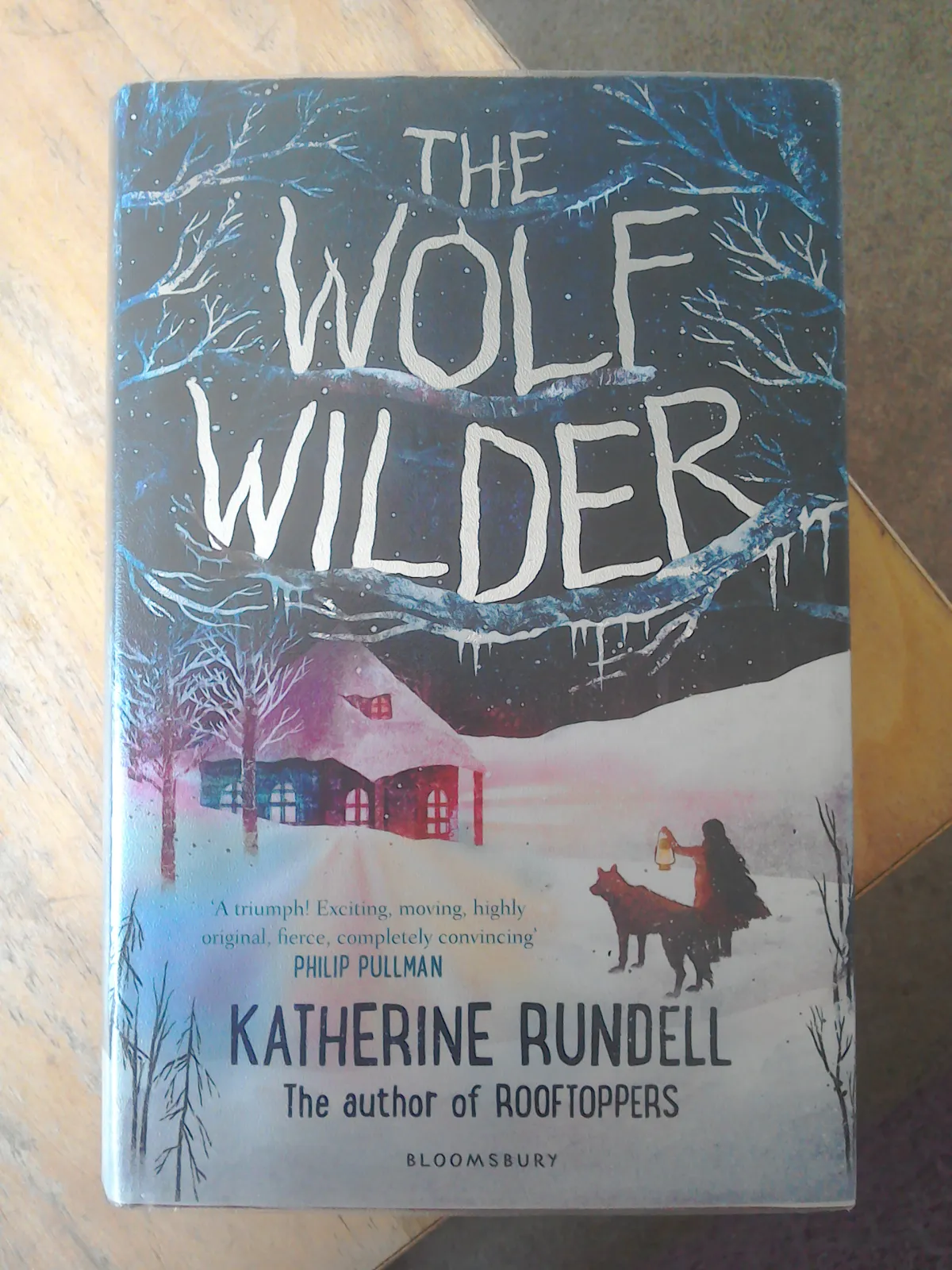 Photo: Katherine Rundell, via i0.wp.com
Non-fiction read-alouds also prove valuable, particularly biographies, travel writing, or science texts that connect to current topics whilst exposing pupils to different text structures and specialist vocabulary.
Facilitating Meaningful Discussion
The power of upper KS2 read-alouds lies not just in exposure to complex texts but in the discussions they generate. Year 5 and 6 pupils can engage in sophisticated literary conversations when provided with appropriate scaffolding and questioning frameworks.
Use open-ended questions that require evidence-based responses: 'What makes you think the character feels that way?' or 'How does this scene connect to what happened earlier?' Encourage pupils to make connections between texts, their own experiences, and broader themes.
Implement discussion protocols like 'think-pair-share' or literature circles to ensure all pupils participate meaningfully. These structured conversations develop speaking and listening skills whilst deepening text comprehension.
Building Reading Communities
Perhaps most importantly, regular read-alouds in upper KS2 maintain the sense of reading as a shared, enjoyable community activity. In an era where children increasingly view reading as solitary work or assessment preparation, these communal experiences remind pupils that literature brings people together.
When teachers share their own reading enthusiasm, discuss why they selected particular texts, and model engaged reading behaviours, they demonstrate that reading remains valuable beyond school assessments. This modelling proves particularly crucial for pupils from homes where reading isn't prioritised or celebrated.
Practical Implementation
Successful upper KS2 read-aloud programmes require consistency and intentionality. Establish regular times—perhaps morning registration or post-lunch settling—and protect these slots from interruption. Create comfortable reading spaces that signal the importance of this shared time.
Vary your delivery to maintain engagement: use different voices for characters, adjust pacing for dramatic effect, and pause strategically for discussion or prediction. Remember that your enthusiasm and engagement directly influence pupils' responses.
Maintain reading records or display boards celebrating shared texts, creating ongoing references that build classroom reading culture and demonstrate the value placed on this activity.
The Long-Term Vision
The benefits of sustained read-aloud practices extend far beyond Year 6 SATs scores or immediate comprehension gains. Children who experience rich, shared reading throughout their primary years develop more positive reading identities, broader cultural knowledge, and stronger analytical thinking skills.
These pupils arrive at secondary school better prepared for complex literature study, with established habits of deep thinking about texts and confidence in literary discussion. Perhaps most significantly, they maintain the understanding that reading can be both challenging and pleasurable—a foundation for lifelong engagement with literature.
In our rush to prepare children for assessments and independence, we must not abandon the practices that nurture genuine literacy development. The teacher read-aloud, far from being outgrown by Year 6, remains one of our most powerful tools for developing thoughtful, engaged, and enthusiastic readers.