Beyond Fear and Rhyme: Ten Evidence-Based Strategies for Engaging Reluctant Poets in Upper KS2

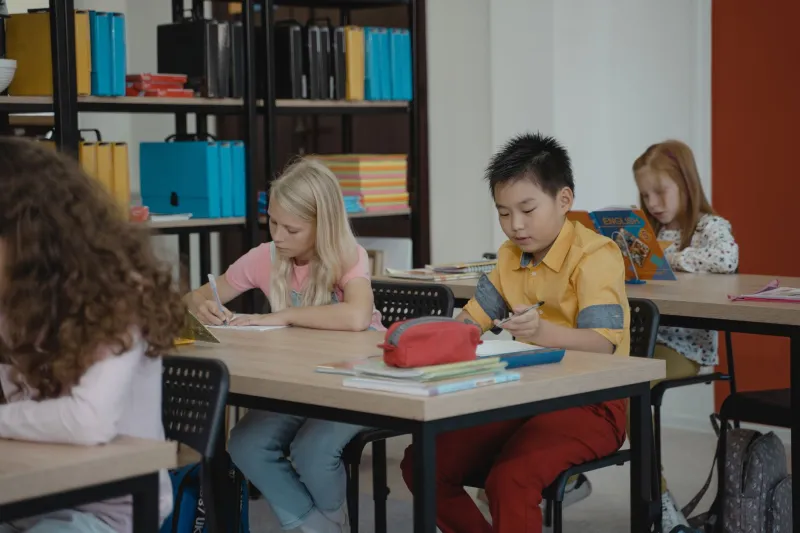
By Year 5, many pupils have already decided that poetry 'isn't for them'. The confident verse-writers of Key Stage 1 have often transformed into reluctant participants who approach poetry tasks with visible anxiety. This phenomenon isn't accidental — it reflects accumulated experiences of confusion, comparison, and the misconception that poetry requires special talent rather than learnable skills.
The reluctant poet problem manifests differently across gender lines. Boys frequently express that poetry feels 'too emotional' or 'not relevant', whilst girls often struggle with perfectionism, convinced their efforts aren't 'good enough' compared to published examples. Both groups benefit from approaches that lower stakes whilst maintaining literary integrity.
Strategy 1: Blackout Poetry as Creative Archaeology
Blackout poetry transforms pupils from creators to discoverers, removing the intimidating blank page whilst maintaining creative control. Provide copies of newspaper articles, old textbook pages, or magazine features. Pupils identify interesting words and phrases, then black out surrounding text to reveal hidden poems.
This approach works particularly well with sports reports, which contain surprisingly poetic language. A football match report might yield: 'Thunder / across the pitch / hearts / beating / victory / slips away / beautiful / in the rain.' The existing structure provides scaffolding whilst pupils exercise genuine creative choice.
For curriculum alignment, select source texts that connect with current topics. Victorian railway timetables can produce evocative poems about journeys and destinations, whilst World War Two evacuation notices might yield poignant verses about separation and hope.
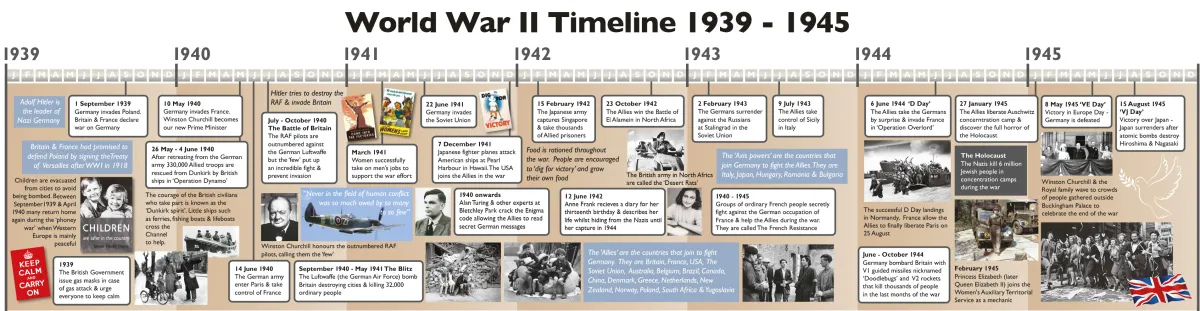 Photo: World War Two, via www.creativoeducation.co.uk
Strategy 2: Found Verse from Familiar Texts
Found poetry removes composition anxiety by working with existing words. Pupils extract lines from favourite novels, rearranging them into new configurations. This strategy proves particularly effective with reluctant readers who feel more confident working with familiar material.
Take this extract from Roald Dahl's 'Matilda': 'She travelled all over the world / while sitting in her little room / in an English village.' Pupils might rearrange this as: 'In an English village / a little room / while sitting / she travelled / all over the world.' The reordering creates fresh meaning whilst honouring Dahl's original language.
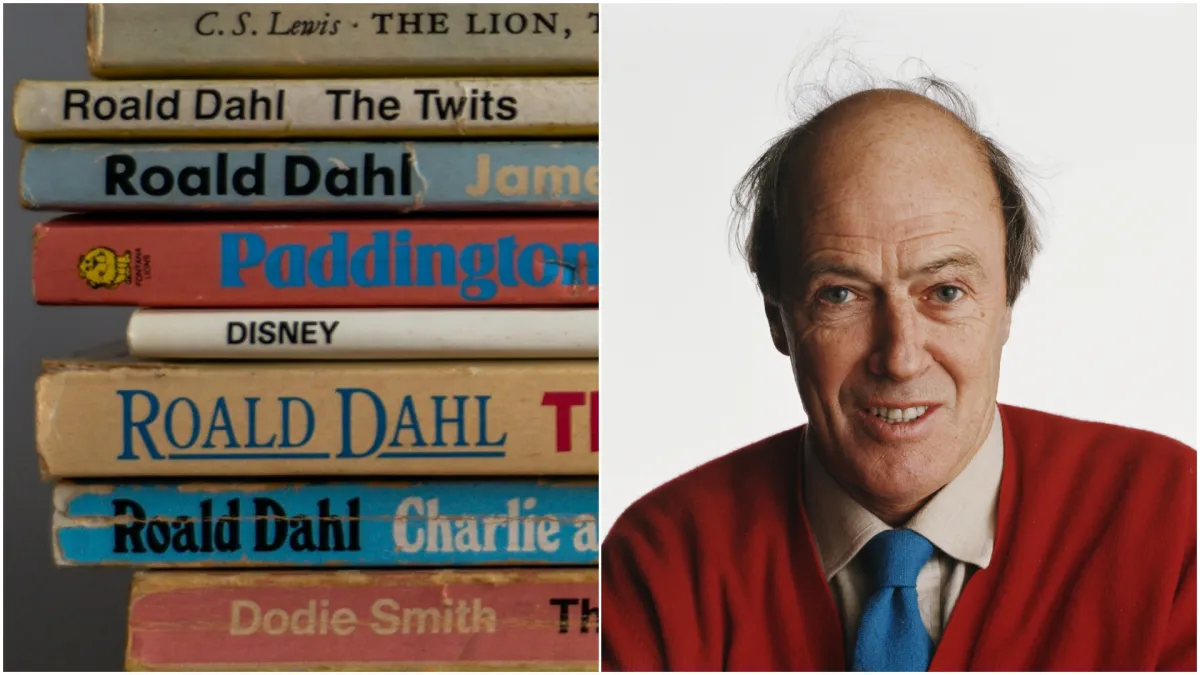 Photo: Roald Dahl, via theclockend.com
Encourage pupils to work with books they genuinely enjoy. The emotional connection to source material transfers into engagement with the poetic process.
Strategy 3: Collaborative Chain Poems
Sharing creative responsibility reduces individual pressure whilst building community. Begin with a simple prompt related to current learning: 'The Romans came...' or 'In the rainforest...' Each pupil contributes one line before passing the poem along.
Establish clear guidelines: no criticism of others' contributions, maintain the established tone, and add lines that build rather than contradict. The resulting poems often surprise with their coherence and creativity.
This strategy works exceptionally well with historical topics. A Year 6 class studying World War Two might create a chain poem about the Blitz, with each line adding sensory details or emotional responses. The shared ownership removes individual performance anxiety.
 Photo: the Blitz, via c8.alamy.com
Strategy 4: Poetry Without Words
Visual poetry activities bypass language anxiety entirely. Pupils create concrete poems where words form shapes related to their meaning, or arrange magnetic poetry words into pleasing visual patterns.
Provide large sheets of paper and coloured pens. Pupils might write 'rain' in dripping letters, or arrange words about friendship in a circle. The visual element engages different learning styles whilst maintaining poetic principles of rhythm and meaning.
This approach particularly appeals to pupils who struggle with traditional writing but excel at visual expression. Their confidence in one domain supports development in another.
Strategy 5: Rhythm and Beat Foundations
Many pupils fear poetry because they misunderstand its relationship with music. Begin with familiar songs, helping pupils identify rhythmic patterns before attempting original composition.
Use playground chants, football songs, or popular music (with appropriate lyrics). Clap out rhythms, identify rhyme schemes, then experiment with substituting different words while maintaining the beat.
This musical foundation makes poetry feel accessible rather than arcane. Pupils discover they already understand poetic rhythm through their everyday cultural experiences.
Strategy 6: List Poems as Safe Starting Points
List poems require no rhyme, meter, or complex metaphors — simply thoughtful word selection and arrangement. Provide engaging prompts: 'Things you find in a teacher's drawer', 'What homework thinks about children', or 'The secret thoughts of school dinners'.
The format feels familiar whilst encouraging creative thinking. Pupils might write:
'Things my pencil has seen:
- Spelling tests on Monday mornings
- Worried fingers during maths
- Doodles when nobody's watching
- The inside of forgotten pencil cases'
This structure supports pupils who need clear frameworks whilst allowing personality to emerge through word choice and perspective.
Strategy 7: Perspective Shift Poems
Writing from unusual viewpoints removes personal pressure whilst encouraging empathy and imagination. Pupils might write from a Roman coin's perspective during invasion, a Victorian street lamp witnessing social change, or a rainforest tree experiencing deforestation.
These poems naturally integrate with curriculum topics whilst developing creative thinking skills. The historical or scientific context provides content scaffolding, whilst the unusual perspective maintains interest.
Encourage pupils to include sensory details and emotional responses appropriate to their chosen perspective. What would a Viking longship feel during a storm? How might a Tudor rose experience changing seasons?
Strategy 8: Poetry Partnerships
Pair reluctant poets with confident writers, but structure collaboration carefully to avoid one pupil dominating. Assign specific roles: one pupil generates ideas whilst the other focuses on word choice, or alternate lines in call-and-response format.
This strategy works particularly well for performance poetry. Pairs can create dialogue poems, with each pupil voicing different characters or perspectives. The shared responsibility reduces individual anxiety whilst building collaborative skills.
Monitor partnerships to ensure both pupils contribute meaningfully. Sometimes reluctant poets surprise themselves with creative insights when supported by confident partners.
Strategy 9: Digital Poetry Tools
Technology can reduce barriers for pupils who struggle with handwriting or spelling. Word processing programmes allow easy revision without messy crossings-out, whilst poetry-specific apps provide templates and inspiration.
Magnetic poetry websites let pupils drag and drop words to create verses, whilst digital storytelling tools can combine poetry with images and sound effects. The multimedia element appeals to pupils who think primarily in visual or auditory modes.
Ensure technology enhances rather than replaces creative thinking. The tools should support expression, not substitute for genuine poetic exploration.
Strategy 10: Performance Without Pressure
Many pupils fear poetry because they associate it with public performance. Create low-stakes sharing opportunities: reading to a partner, recording poems privately for teacher feedback, or displaying written work without requiring oral presentation.
When pupils do choose to share, provide supportive structures. Gallery walks allow pupils to read others' work at their own pace, whilst 'poetry cafés' create informal atmospheres for voluntary sharing.
Celebrate effort and creativity rather than technical perfection. Help pupils recognise that poetry, like all writing, improves through practice and experimentation.
Building Long-Term Confidence
These strategies work cumulatively to rebuild pupils' relationship with poetry. Success in low-stakes activities builds confidence for more challenging creative work. Pupils begin to see poetry as exploration rather than performance, creativity rather than correctness.
Regularly revisit pupils' early attempts, helping them recognise their growth. The Year 6 pupil who once refused to write verse might surprise themselves with their developing voice and growing willingness to experiment.
Most importantly, maintain the message that poetry belongs to everyone. These strategies don't lower standards — they remove barriers that prevent pupils from reaching their creative potential. In nurturing reluctant poets, we nurture confident communicators ready to express themselves across all forms of writing.