The Author in the Room: Using Craft Talks and Interviews to Illuminate the Writer's Art in KS2
Photo: Sinchalak Musulmon, CC BY-SA 4.0, via Wikimedia Commons
The Author in the Room: Using Craft Talks and Interviews to Illuminate the Writer's Art in KS2
Every text a KS2 pupil encounters was written by a person who made choices. Choices about which word to use, which detail to include, where to end a chapter, and how to begin a sentence. These choices are rarely visible on the surface of a finished book — which is precisely why so many young readers experience literature as something that simply is, rather than something that was carefully made.
Bringing an author's own voice into the classroom — through published interviews, video craft talks, or in-person visits — is one of the most powerful ways to make those invisible choices visible. When pupils hear an author explain their thinking, the text transforms from a fixed object into a record of decisions. And once a child understands that every word in a book is a decision, they begin to read differently, and to write differently, too.
Why Author Insight Changes the Reading Experience
There is a tendency in primary literacy teaching to treat the author and the text as separate concerns — the author studied briefly in a biography box at the front of a reading scheme, the text engaged with as though it arrived fully formed and authorless. This separation, however well-intentioned, denies pupils access to one of the richest sources of reading comprehension available to them.
When a pupil knows that Malorie Blackman has spoken about the importance of writing characters who are fully human rather than symbolic, they read Noughts and Crosses with a different quality of attention. When they have heard Michael Morpurgo describe how War Horse grew from a single painting in a Devon village pub, the novel's setting ceases to be mere backdrop and becomes an intentional choice worth examining. The author's voice does not limit interpretation; it deepens it.
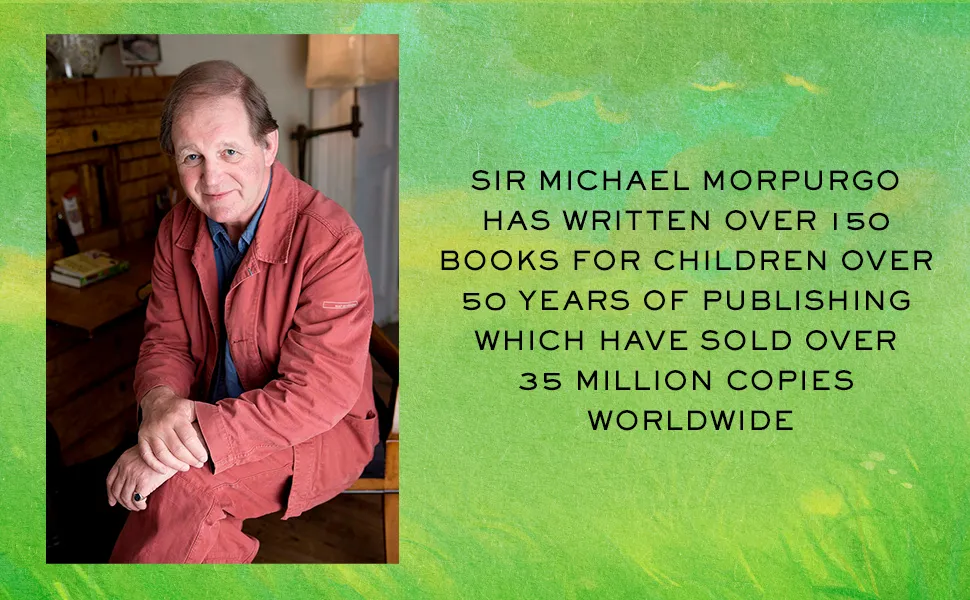 Photo: Michael Morpurgo, via m.media-amazon.com
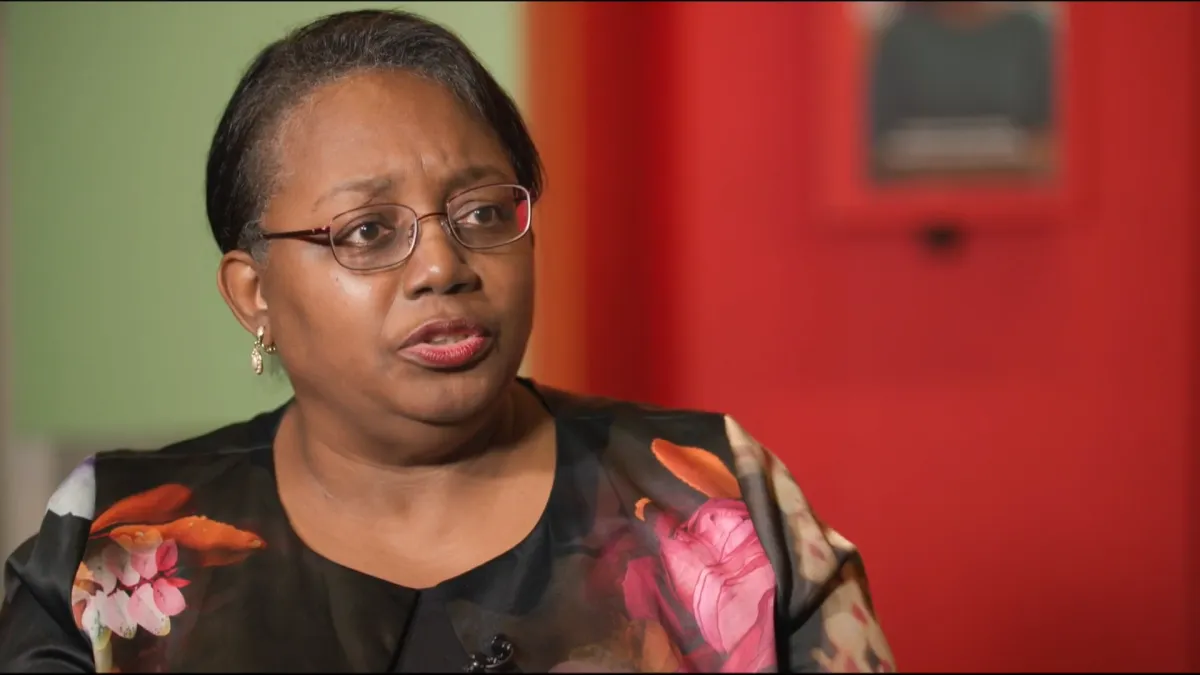 Photo: Malorie Blackman, via fournews-assets-prod-s3-ew1-nmprod.s3.amazonaws.com
This is the insight at the heart of what might be called 'craft-aware reading' — the understanding that analysing a text and understanding its making are not competing activities but complementary ones.
British Authors Who Have Shared Generously
Teachers in the UK are fortunate to have access to a remarkable body of author commentary, much of it freely available online. Several British children's authors have been particularly forthcoming about their creative processes.
Cressida Cowell, author of the How to Train Your Dragon series, has given numerous interviews discussing how she drew on her own childhood experiences of feeling like an outsider to shape Hiccup's character. Her school visit recordings, several of which are available through the Booktrust website, offer accessible and engaging insights that resonate strongly with Years 4 and 5 pupils.
Philip Pullman has written and spoken extensively about the craft of narrative, including his views on the importance of story structure and the writer's responsibility to the reader. His essays, while occasionally demanding, contain passages that — when selected carefully — work brilliantly as discussion starters in upper KS2.
Frank Cottrell-Boyce is among the most eloquent British authors when it comes to discussing the relationship between reading and writing. His interviews frequently return to the idea that stories are a form of conversation between writer and reader, a concept that maps directly onto the kind of literary discussion KS2 teachers are trying to cultivate.
Jacqueline Wilson has spoken candidly in many interviews about writing characters who experience difficult home lives — and about the responsibility she feels to those readers who recognise themselves in her books. For Years 5 and 6, this kind of authorial reflection opens profound conversations about the social function of literature.
Practical Integration Without Overwhelming Planning
The most common concern teachers raise about incorporating author material into lessons is time: finding, selecting, and contextualising interviews or videos adds to an already considerable planning burden. The following approaches are designed to minimise that burden while maximising impact.
The Two-Minute Anchor
Select a single short clip — no more than two minutes — from a filmed author talk or interview. Play it at the start of a reading or writing lesson as a 'lens' for that session. Ask pupils: 'What does this tell us about why the author made this choice? Can we find evidence of that choice in the text we're reading today?' The clip does not need to relate to the specific book being studied; it needs to illuminate a principle of craft.
The Author Quote Wall
Build a growing classroom display of short quotations from authors discussing their craft. 'I always write the ending first.' 'I crossed out the word beautiful every time I wrote it.' 'I read every sentence aloud before I move on.' These fragments of authorial practice become a shared reference point for writing lessons throughout the year.
Interview as Text
Treat a printed interview extract as a comprehension text in its own right. What is the author's view on revision? What surprises you about how they work? This positions author commentary as a legitimate form of non-fiction — which, of course, it is.
Preparing for a School Visit
When an author visit is planned — through schemes such as Booktrust's Author events or the ALCS-funded Authors Aloud programme — the preparation period is an ideal opportunity to read the author's books through a craft lens. Pupils who arrive at an author visit having already thought carefully about the writer's choices ask significantly richer questions and take significantly more away from the experience.
Reading and Writing as a Single Conversation
The deepest benefit of bringing authors' voices into KS2 literacy is the connection it forges between reading and writing as activities. Too often, these are experienced by pupils as entirely distinct — reading something that someone else wrote, writing something of their own. Author interviews collapse that distinction.
When a child hears an author describe struggling with a sentence, changing a character's name three times, or cutting an entire chapter because it slowed the story down, they receive a message of considerable importance: that the books they love were not conjured effortlessly by gifted individuals operating in an entirely different category of human being. They were made, carefully and imperfectly, by people who faced the same blank page.
That recognition — that the author's challenge and the pupil's challenge are, in essence, the same — is among the most motivating things a young writer can encounter. And it begins simply, with a teacher pressing play on a two-minute video, and asking: 'What does this tell us about how a writer thinks?'