Words of Honour: Remembrance Contexts as Catalysts for Powerful Non-Fiction Writing
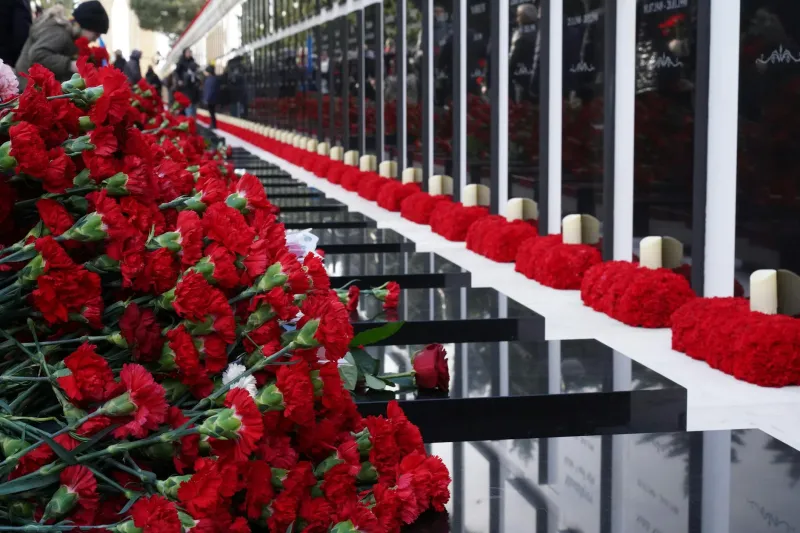
In a Year 5 classroom in Coventry, pupils huddle around faded photographs and weathered letters, piecing together the story of Private Thomas Hughes, a local soldier who never returned from the Somme. Their task isn't merely to complete a writing exercise – they're crafting a memorial tribute that will be read aloud at their school's Remembrance assembly. The gravity of their responsibility transforms everything: sentence construction becomes deliberate, word choice becomes meaningful, and revision becomes essential.
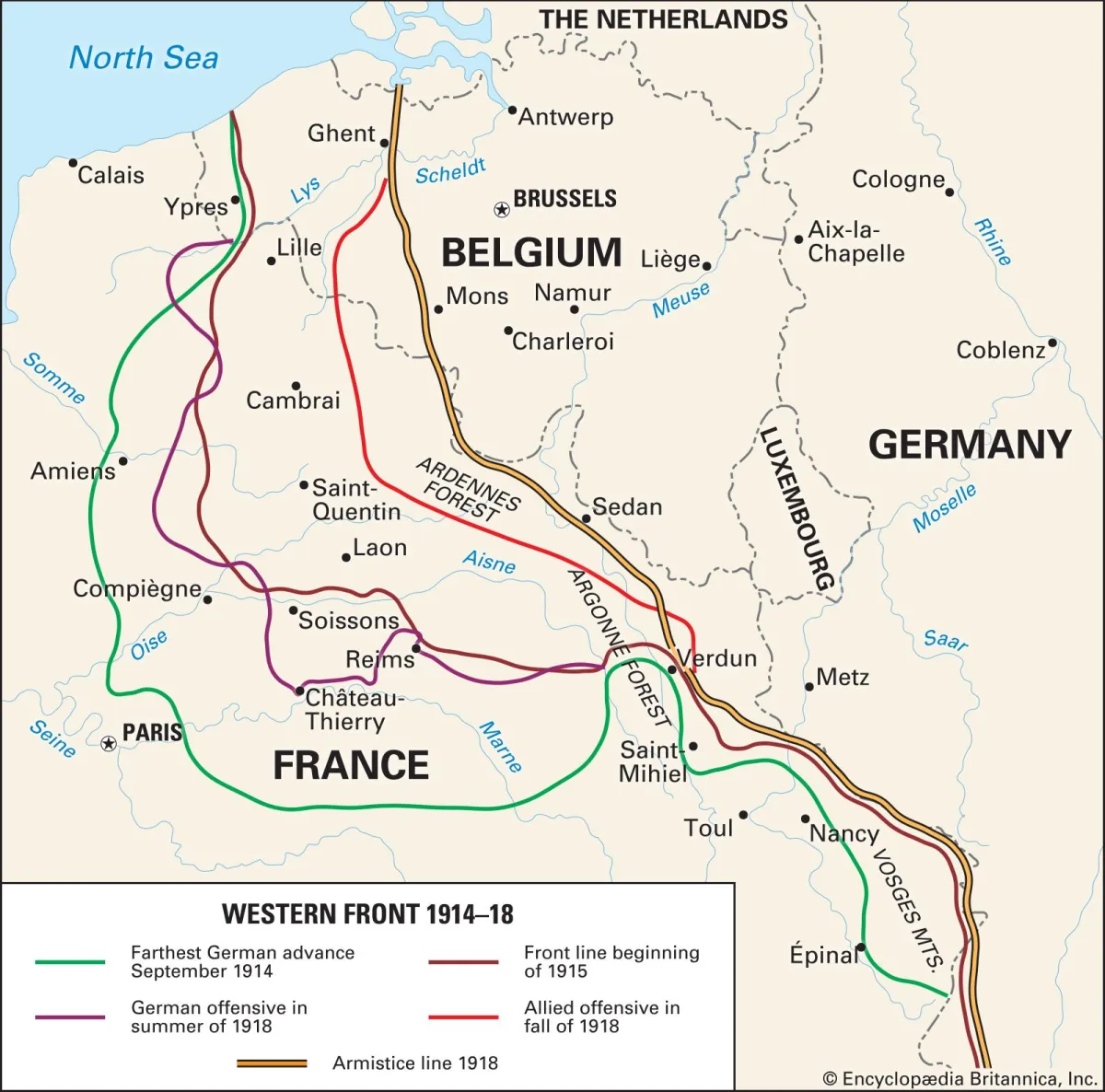 Photo: the Somme, via cdn.britannica.com
This scene illustrates a profound truth about writing instruction: when pupils write with genuine purpose and emotional investment, the quality of their work transcends typical classroom expectations. Remembrance contexts offer unique opportunities to develop sophisticated non-fiction writing skills whilst fostering historical empathy and British values.
The Authenticity Advantage
Traditional writing instruction often struggles with artificial prompts that fail to engage pupils' hearts alongside their minds. "Write a newspaper report about a school event" or "Compose a speech about your favourite hobby" may tick curriculum boxes, but they rarely inspire the sustained effort that produces exceptional writing.
Remembrance contexts change this dynamic entirely. When Year 4 pupils research local war memorials or interview elderly community members about wartime experiences, they encounter real stories that demand respectful, careful treatment. This authentic purpose elevates writing from academic exercise to meaningful communication.
Research from the Institute of Education demonstrates that writing tasks with genuine social purpose produce measurably stronger outcomes across all assessment criteria. Pupils write longer pieces, revise more thoroughly, and demonstrate greater attention to audience needs when their words serve real-world purposes.
A Framework for Respectful Exploration
Implementing remembrance-based writing requires careful scaffolding that balances historical sensitivity with age-appropriate engagement. The key lies in connecting abstract concepts of sacrifice and service to concrete, local examples that pupils can understand and honour.
Foundation Building Through Local Connections
Begin by exploring remembrance within pupils' immediate environment. Every British community contains memorial sites, from grand cenotaphs to modest plaques in parish churches. These local monuments provide tangible starting points for investigation.
Year 3 pupils might begin with simple observational writing: "What do you notice about our village war memorial?" This develops descriptive writing skills whilst introducing concepts of commemoration. As pupils observe carved names, dates, and symbols, they naturally begin asking questions that lead to deeper inquiry.
Local museums, historical societies, and Royal British Legion branches often welcome school partnerships, providing access to photographs, documents, and sometimes veteran interviews. These primary sources offer authentic material for biographical writing, report composition, and speech preparation.
 Photo: Royal British Legion, via i.pinimg.com
Genre Development Through Purposeful Practice
Biographical Writing: Honouring Individual Stories
Biographical writing flourishes when pupils research real individuals whose stories connect to their community. Rather than generic "famous person" assignments, remembrance contexts provide access to compelling local figures whose lives intersect with major historical events.
Year 5 pupils researching a local nurse who served in field hospitals during the Great War encounter natural opportunities to explore chronological organisation, character description, and the relationship between personal experience and historical context. The emotional weight of these stories motivates careful attention to tone and register – pupils instinctively understand that flippant language would dishonour their subject.
Structure these projects around key biographical elements: early life, call to service, wartime experiences, and lasting legacy. This framework supports pupils who struggle with organisation whilst providing flexibility for different ability levels.
Persuasive Speech Writing: Voices of Remembrance
Remembrance assemblies and community events provide authentic audiences for persuasive speech writing. When Year 6 pupils prepare presentations about the importance of remembrance for younger pupils or community members, they grapple with complex rhetorical challenges: How do you explain the significance of sacrifice to eight-year-olds? How do you honour the past whilst speaking to the present?
These challenges develop sophisticated writing skills organically. Pupils learn to consider audience needs, adjust vocabulary and examples accordingly, and structure arguments for maximum impact. The emotional significance of their message motivates attention to delivery techniques and persuasive devices.
Journalistic Writing: Reporting with Respect
Newspaper reports about remembrance events offer opportunities to explore objective writing whilst maintaining appropriate tone. Pupils might report on school memorial services, interview local veterans, or investigate community fundraising efforts for military charities.
This genre work develops crucial skills: headline writing, lead paragraph construction, quotation integration, and balanced reporting. The real-world context ensures pupils understand why accuracy and sensitivity matter in journalism.
Cross-Curricular Connections That Strengthen Learning
Remembrance writing naturally integrates with history, geography, and PSHE curriculum objectives, creating meaningful cross-curricular connections that reinforce learning across subjects.
History links emerge through chronology work, cause and effect analysis, and source evaluation. Geography connections include mapping military campaigns, exploring Commonwealth contributions, and understanding how conflict affects landscapes and communities. PSHE elements encompass discussions of courage, sacrifice, community responsibility, and peaceful conflict resolution.
This integration helps pupils see writing as a tool for exploring and communicating about complex real-world issues rather than an isolated academic skill.
Differentiation Through Emotional Engagement
Remembrance contexts naturally accommodate different ability levels because emotional engagement often trumps technical skill limitations. Pupils who struggle with conventional writing tasks frequently produce their strongest work when writing about topics that genuinely matter to them.
Lower-attaining pupils might focus on simple memorial descriptions or thank-you letters to local veterans. Higher-attaining writers can tackle complex analytical pieces exploring the changing nature of remembrance or comparing different communities' memorial traditions.
The key is ensuring every pupil finds a meaningful entry point into the topic whilst maintaining appropriate challenge levels.
Assessment That Honours Purpose
When pupils write for authentic remembrance contexts, assessment criteria should reflect both technical writing skills and the appropriateness of tone and content for the intended purpose and audience.
Develop success criteria collaboratively, asking pupils to consider: What would make this piece worthy of its subject? How can we show respect through our word choices? What would veterans or families want to hear in our writing?
This approach helps pupils understand that technical accuracy serves larger purposes – proper punctuation and spelling demonstrate respect for readers and subjects, whilst clear organisation ensures important messages reach their audiences effectively.
Sustaining Impact Beyond November
Whilst Remembrance Day provides an obvious focus, remembrance themes can enrich writing instruction throughout the year. Local military history, Commonwealth connections, peacekeeping efforts, and ongoing veteran support all offer authentic contexts for non-fiction writing development.
The goal isn't to militarise education but to harness the natural human response to stories of courage and sacrifice in service of literacy development. When pupils write about topics that genuinely matter, they discover their own power as communicators and develop writing skills that will serve them throughout their lives.
In remembering others, they learn to make their own words memorable.