Voices from the Past: How Primary Source Documents Revolutionise Writing Instruction in KS2 History
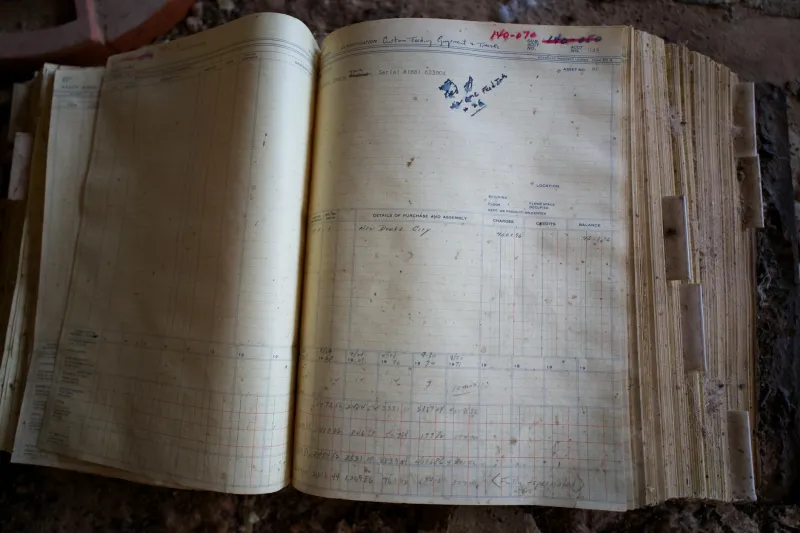
In a Year 5 classroom in Manchester, pupils lean over photocopied pages from the 1891 census, tracing the lives of families who once lived on their own streets. Sarah, age 12, 'scholar'. Thomas, age 8, 'cotton mill worker'. The stark reality of child labour leaps from the official document in ways no textbook could convey. Within minutes, pupils are crafting passionate arguments about children's rights, their writing infused with urgency born from genuine historical encounter.
This scene illustrates the transformative power of primary source documents in KS2 writing instruction. Unlike fictional scenarios or sanitised textbook accounts, authentic historical materials carry the weight of lived experience. They offer pupils something profound: the opportunity to engage with real voices from the past, creating writing contexts that feel genuinely consequential.
The Authenticity Advantage
Primary sources possess qualities that manufactured writing prompts cannot replicate. They are messy, incomplete, and human in ways that engage pupils' natural curiosity. A Victorian child's diary entry, complete with ink blots and uncertain spelling, invites empathy and connection. Pupils recognise a kindred spirit across the centuries — another young person navigating school, family, and friendship.
This authenticity translates directly into improved writing quality. When pupils write responses to genuine historical documents, their work demonstrates increased sophistication in vocabulary choice, argument construction, and emotional engagement. The real-world context provides natural scaffolding for complex thinking and expression.
Consider the difference between asking pupils to 'write about life in Victorian times' versus presenting them with an actual 1870s school punishment book. The abstract prompt might yield generic responses about hard work and strict teachers. The punishment book — with its detailed records of canings for 'talking in class' or 'dirty fingernails' — provokes visceral responses and sophisticated analysis of justice, childhood, and social change.
Curriculum Integration Made Natural
Primary sources create seamless connections between history content and literacy skills development. The KS2 history curriculum's emphasis on chronological understanding, historical enquiry, and interpretation aligns perfectly with writing skills requirements for audience awareness, purpose, and persuasive techniques.
When pupils examine suffragette pamphlets, they encounter sophisticated persuasive writing techniques in authentic contexts. The rhetorical questions, emotive language, and logical arguments provide natural models for their own persuasive compositions. Unlike decontextualised grammar exercises, these techniques emerge organically from meaningful content.
Similarly, World War Two evacuation letters demonstrate audience awareness in action. Pupils observe how writers adjusted tone and content for different recipients — formal language for officials, reassuring words for worried parents, brave faces for younger siblings. These authentic examples provide more powerful instruction than any writing frame or success criteria checklist.
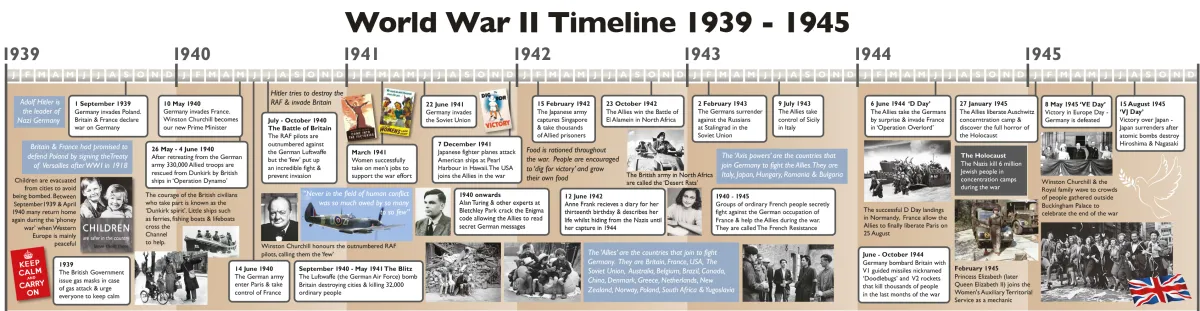 Photo: World War Two, via www.creativoeducation.co.uk
Sourcing and Accessing Historical Materials
The digital revolution has democratised access to primary sources, making authentic historical documents freely available to any classroom with internet access. The National Archives' education portal offers carefully curated collections aligned with KS2 curriculum topics, complete with transcriptions and contextual information.
 Photo: The National Archives, via pantelli.com
Local record offices provide treasure troves of community-specific materials. Victorian school log books, wartime evacuation records, and industrial accident reports offer pupils the thrill of historical detective work whilst developing research skills. Many archives now digitise their collections, making rare documents accessible to schools without specialist storage facilities.
Museum education services increasingly offer loan boxes containing replica documents alongside genuine artefacts. These resources allow pupils to handle materials safely whilst experiencing the tactile dimension of historical research. The physical act of unfolding a letter or examining faded ink adds sensory engagement to literacy learning.
Scaffolding Complex Historical Language
Authentic historical documents present language challenges that require careful pedagogical support. Victorian official documents, medieval chronicles, and Tudor letters employ vocabulary and syntax that can overwhelm young readers. However, these challenges become opportunities for sophisticated vocabulary development when properly scaffolded.
Begin with collaborative reading approaches. Display documents on interactive whiteboards, working through unfamiliar terms together. Create word banks of historical vocabulary, encouraging pupils to incorporate these terms into their own writing. The authentic context makes new vocabulary meaningful rather than arbitrary.
Provide modern translations alongside original texts, but encourage pupils to engage with authentic language first. This approach develops their confidence in tackling challenging texts whilst preserving the historical flavour that makes primary sources compelling.
Consider creating glossaries specific to each document type. Census records require understanding of occupational terms like 'cordwainer' or 'charwoman'. Military documents introduce ranks and battlefield terminology. These specialised vocabularies enrich pupils' writing whilst building historical knowledge.
Writing Responses That Honor Historical Voices
Primary sources demand respectful engagement that balances critical analysis with historical empathy. Pupils must learn to question sources whilst avoiding presentist judgements that impose contemporary values on historical actors.
Structure writing tasks that encourage multiple perspectives. After examining Victorian workhouse admission records, pupils might write diary entries from different viewpoints — the destitute applicant, the workhouse master, the concerned social reformer. This approach develops empathy whilst acknowledging historical complexity.
Encourage pupils to identify gaps and silences in historical records. Whose voices are missing? Why might certain perspectives be absent? These questions develop critical thinking skills whilst highlighting the constructed nature of historical narratives.
Create opportunities for pupils to respond in historically appropriate formats. After studying medieval chronicles, they might compose their own chronicle entries about school events. Following examination of Victorian newspaper reports, they could write news articles about historical events using period-appropriate style and vocabulary.
Assessment Opportunities and Challenges
Primary source-based writing presents unique assessment opportunities that extend beyond traditional literacy criteria. Pupils' work can be evaluated for historical accuracy, source analysis skills, and empathetic understanding alongside conventional writing mechanics.
Develop rubrics that recognise historical thinking alongside writing quality. Does the pupil demonstrate understanding of historical context? Do they use evidence from sources effectively? Have they considered multiple perspectives? These criteria acknowledge the interdisciplinary nature of source-based writing.
Peer assessment works particularly well with historical writing. Pupils can evaluate each other's work for historical plausibility and effective use of evidence. This process reinforces learning whilst developing critical evaluation skills.
Document pupils' growing sophistication in handling primary sources throughout the key stage. Early encounters might focus on basic comprehension and emotional response. Later work should demonstrate increasing ability to analyse, compare, and synthesise multiple sources.
Addressing Practical Concerns
Some teachers worry that primary sources are too challenging for KS2 pupils or that historical content might overwhelm literacy objectives. However, research consistently demonstrates that pupils rise to meet high expectations when provided with appropriate support.
Start small with accessible documents like children's letters or simple diary entries. Build pupils' confidence before introducing more complex materials like official reports or political pamphlets. This gradual progression develops skills whilst maintaining engagement.
Time constraints present another common concern. However, primary source work actually enhances efficiency by integrating multiple curriculum areas. A single lesson examining evacuation letters addresses history learning objectives whilst developing reading comprehension, writing skills, and speaking and listening capabilities.
Address sensitive historical topics with care and preparation. Many primary sources deal with difficult subjects — poverty, conflict, discrimination. Establish clear classroom protocols for discussing challenging material whilst maintaining historical honesty.
The Transformative Impact
When implemented thoughtfully, primary source integration transforms pupils' relationship with both history and writing. They begin to see writing as a tool for exploring and communicating about real-world issues rather than completing artificial exercises.
Pupils develop sophisticated understanding of audience and purpose through authentic examples. They recognise that effective writing serves real needs — persuading, informing, recording, arguing. This awareness transfers to all their written communication.
Most importantly, primary sources help pupils recognise their own place in the continuing human story. They understand that their voices matter, that their experiences deserve recording, and that they too are creating the primary sources that future pupils might study.
In nurturing this historical consciousness alongside literacy skills, we prepare pupils not just for academic success but for engaged citizenship. They leave primary school understanding that words have power, that voices from the past still speak to the present, and that their own voices will echo into the future.