In an age dominated by digital communication, the humble art of letter writing might seem antiquated. Yet across Britain's primary schools, a growing movement of educators is rediscovering the transformative power of authentic correspondence. These teachers understand a fundamental truth: children write differently when they know someone real will read their words.
The Authenticity Crisis in KS2 Writing
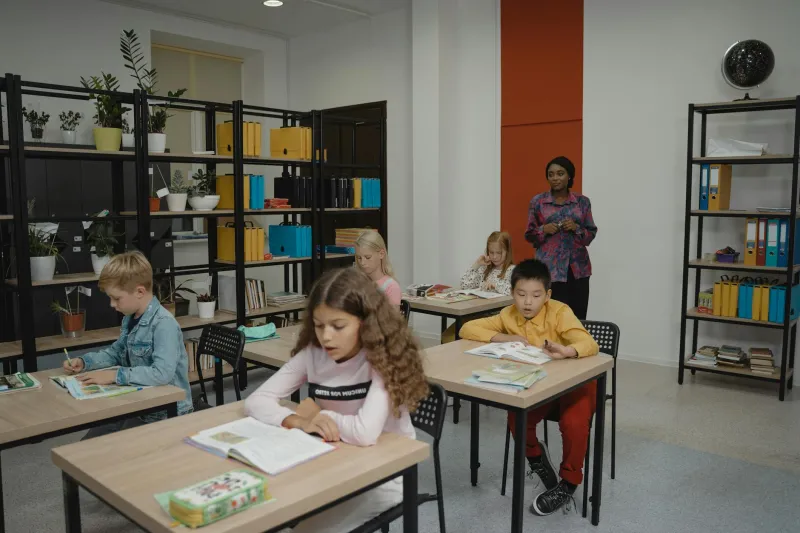
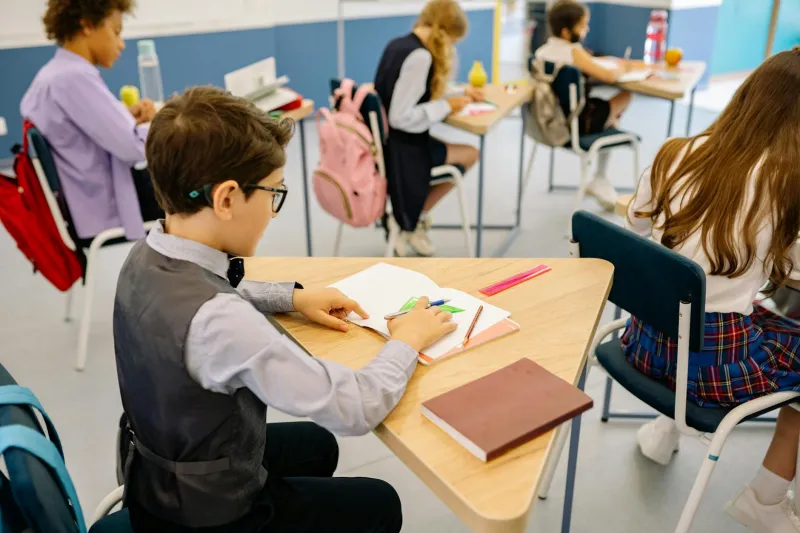
Walk into any Year 5 classroom during a writing lesson, and you'll likely witness a familiar scene: children dutifully crafting narratives or persuasive texts for their teacher's assessment. The writing may be technically proficient, ticking curriculum boxes with appropriate connectives and varied sentence structures, yet something crucial is often missing — genuine purpose and voice.
This authenticity crisis stems from an uncomfortable reality: most school writing exists in an artificial bubble where the teacher serves as the sole audience. Children quickly learn to write for marking criteria rather than human connection, producing technically correct but emotionally sterile prose that fails to capture their natural enthusiasm and curiosity.
The Magic of Unknown Readers
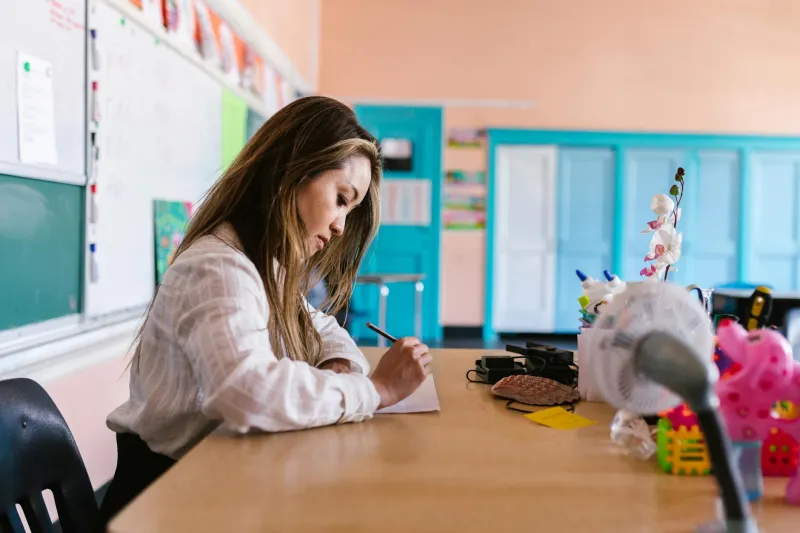
Correspondence programmes transform this dynamic by introducing the most powerful motivator in writing: a real reader with genuine interest in what the child has to say. When eight-year-old Sophie in Manchester knows that her letter will be read by James in Cornwall — a boy her age who lives near the sea she's only seen in photographs — her writing takes on new urgency and purpose.
This shift from artificial to authentic audience creates what literacy researchers term 'communicative pressure' — the natural human desire to be understood and valued by others. Children instinctively adjust their writing style, explanation depth, and topic selection when they know their words will reach beyond the classroom walls.
Establishing Cross-Regional Connections
Successful correspondence programmes require careful planning and clear objectives. Begin by identifying partner schools in different regions of Britain, prioritising geographic and cultural diversity that offers genuine learning opportunities. A school in rural Scotland partnering with an urban academy in Birmingham, for instance, provides rich material for cultural exchange whilst maintaining the shared foundation of British educational experience.
Initial Contact Protocols
Establish clear communication channels between teaching staff before involving pupils. Discuss curriculum objectives, assessment requirements, and practical logistics such as posting schedules and response expectations. Successful partnerships typically involve:
- Matched year groups with similar writing abilities
- Coordinated timing ensuring letters arrive when recipient classes can respond promptly
- Shared objectives aligning with both schools' literacy targets
- Emergency protocols for addressing inappropriate content or communication breakdowns
Cultural Exchange Frameworks
Structure early exchanges around regional differences that naturally prompt detailed description and explanation. Children in the Lake District might describe fell walking traditions, whilst their London counterparts share experiences of underground travel. These contrasts provide authentic reasons for detailed, explanatory writing whilst building cultural awareness across Britain's diverse communities.
 Photo: Lake District, via baxter.photos
Curriculum Integration Without Losing Magic
The challenge lies in meeting KS2 writing objectives whilst preserving the spontaneous joy of genuine correspondence. Successful teachers achieve this balance through carefully designed letter frameworks that guide without constraining.
Structured Freedom Approaches
Monthly Themes: Rotate focus areas such as "My Local Area," "Family Traditions," or "Favourite Books," providing direction whilst allowing personal interpretation.
Genre Rotation: Introduce different writing forms through correspondence — persuasive letters advocating for local causes, descriptive pieces about regional festivals, or narrative accounts of school adventures.
Language Focus: Highlight specific linguistic features within natural contexts. When children describe their local dialect words to pen pals, they're engaging with vocabulary and register in meaningful ways.
Assessment Strategies That Preserve Authenticity
Traditional marking approaches can inadvertently damage the authentic relationship between correspondents. Instead, consider:
Parallel Assessment
Create separate writing tasks that mirror correspondence themes but exist specifically for assessment purposes. If children write informally to pen pals about their favourite places, follow up with a formal descriptive writing assessment using similar content.
Process Documentation
Focus assessment on writing development rather than individual letter quality. Photograph draft stages, record planning conversations, and document how children's writing evolves through sustained correspondence relationships.
Peer Feedback Integration
Use pen pal responses as authentic feedback opportunities. When a correspondent asks for clarification about a local custom, it provides more meaningful revision prompts than any teacher comment could offer.
Overcoming Practical Challenges
Postal Logistics
Establish realistic posting schedules accounting for delivery times and school holidays. Many successful programmes operate on monthly cycles, allowing sufficient time for thoughtful composition and reliable delivery.
Maintaining Momentum
Sustain engagement through varied activities beyond letter writing. Virtual school tours, photograph exchanges, and collaborative projects maintain connection between correspondence cycles.
Safety Considerations
Implement clear protocols for content monitoring without destroying the personal nature of correspondence. Teachers typically review letters before posting whilst maintaining pupil ownership of their writing voice.
Beyond Letters: Expanding Authentic Audiences
Community Connections
Extend the authentic audience principle beyond school partnerships. Connect with local care homes, environmental groups, or historical societies that welcome children's perspectives and questions.
Digital Integration
Whilst preserving the tactile pleasure of handwritten letters, consider complementary digital exchanges through secure platforms that maintain safety whilst expanding communication possibilities.
Seasonal Celebrations
Align correspondence with British cultural events — Bonfire Night traditions, regional Christmas customs, or local harvest festivals — providing natural writing prompts whilst building national cultural awareness.
Measuring Success Beyond Assessment
The true impact of correspondence programmes extends beyond measurable writing improvement. Teachers consistently report increased writing confidence, greater cultural awareness, and enhanced empathy as children engage with peers from different backgrounds.
Children who initially struggled with writing motivation often become enthusiastic correspondents, eagerly anticipating replies and voluntarily extending their letters beyond minimum requirements. This intrinsic motivation proves more valuable than any external assessment score.
Sustaining Long-Term Partnerships
Successful correspondence programmes evolve into lasting relationships between schools, creating opportunities for teacher professional development, curriculum sharing, and even eventual face-to-face meetings that transform pen pal relationships into genuine friendships.
Some partnerships maintain connections across multiple year groups, creating a culture of correspondence that becomes embedded in school identity. Children anticipate joining the pen pal programme as they progress through the school, maintaining motivation and building community connections that extend far beyond individual classroom experiences.
Conclusion
In our digital age, the simple act of writing letters to unknown peers across Britain offers something irreplaceable: authentic human connection that transforms children's relationship with writing. When pupils understand that their words matter to real readers, they discover their own voices and develop communication skills that serve them throughout their lives.
The correspondence classroom recognises that writing is fundamentally about human connection, not just curriculum compliance. By providing genuine audiences for children's voices, we honour both their immediate learning needs and their future roles as thoughtful, articulate citizens of our diverse nation.