The Hidden Crisis in KS2 Writing
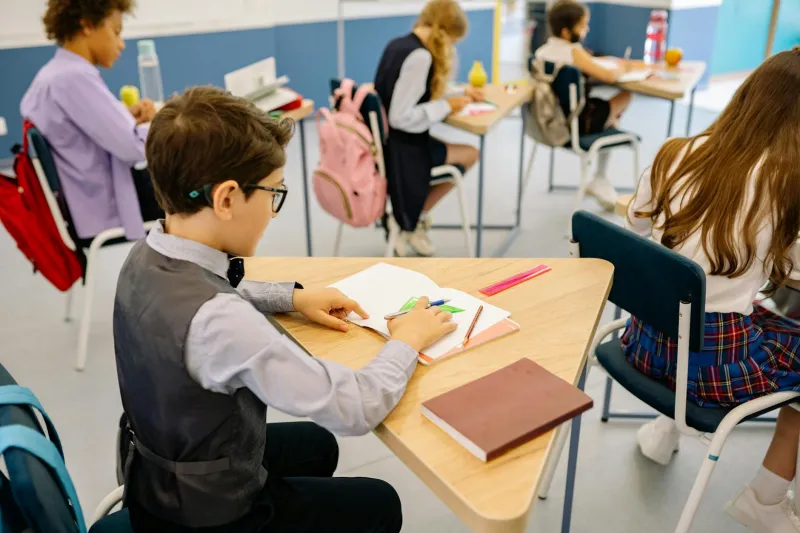
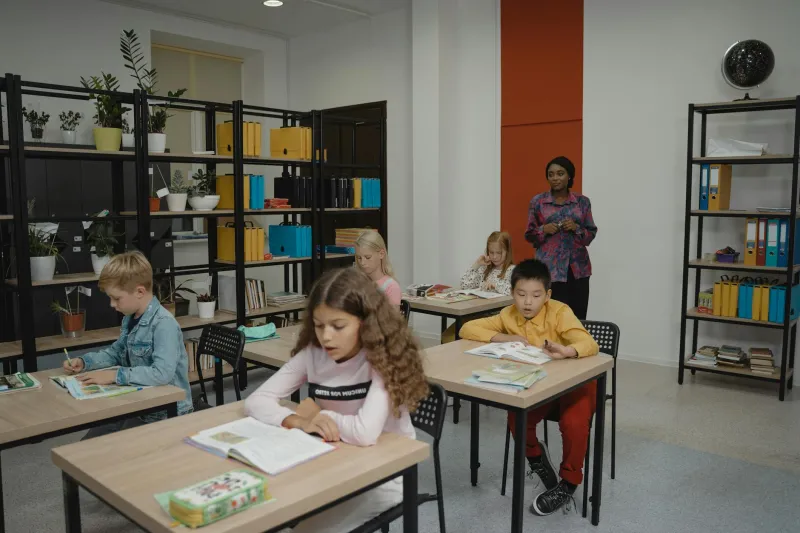
Walk into any Year 4 classroom during independent writing time, and you'll witness a familiar scene: children hunched over exercise books, pencils moving furiously across pages, producing lengthy narratives that snake down the page in an unbroken stream of consciousness. These young writers demonstrate stamina, creativity, and often sophisticated vocabulary. Yet when teachers collect their work, a troubling pattern emerges—stories that read like breathless monologues, arguments that lack structure, and explanations that meander without purpose.
The culprit isn't laziness or carelessness. It's a fundamental misunderstanding of what paragraphs actually do. For many KS2 pupils, paragraphs remain mysterious entities—arbitrary breaks inserted to "make writing look neat" rather than powerful organisational tools that mirror how we naturally chunk information in our minds.
Rethinking the Paragraph: From Format to Function
Effective paragraph instruction begins with a crucial shift in perspective. Rather than teaching paragraphs as cosmetic additions to writing, we must position them as external representations of internal thinking processes. When children learn to group related ideas, they're not simply following writing conventions—they're developing metacognitive awareness of how thoughts connect and flow.
This cognitive approach aligns perfectly with the demands of the KS2 curriculum, where pupils must demonstrate increasingly sophisticated reasoning across subjects. A child who can effectively paragraph a persuasive letter about school uniform policies is simultaneously developing the thinking skills needed to organise historical arguments or structure scientific explanations.
The Building Block Method: Concrete Strategies for Abstract Concepts
One of the most effective approaches for teaching paragraph structure involves making the invisible visible through physical manipulation. Begin with coloured paper squares—each representing a single idea or piece of information. Present pupils with a jumbled collection of facts about a familiar topic, perhaps their local area or a recent class trip.
Invite children to sort these information squares into logical groups. Which facts belong together? What connects them? This tactile activity reveals natural thinking patterns whilst building understanding of how ideas cluster around central themes.
Once pupils have created their groupings, introduce the concept of topic sentences as "umbrella statements" that shelter related details. This metaphor proves particularly powerful for visual learners, helping them understand how supporting sentences should logically connect to their controlling idea.
The Traffic Light System: Signalling Transitions
Many KS2 pupils struggle not just with organising ideas within paragraphs, but with creating smooth transitions between them. The traffic light system provides a concrete framework for understanding these connections.
Red light words signal stops—full stops, paragraph breaks, and major shifts in direction. Amber light words indicate caution and preparation for change—transitional phrases like "however," "meanwhile," or "in contrast." Green light words maintain momentum—connectives that keep readers moving forward through related ideas.
This system proves particularly valuable when teaching non-fiction writing, where clear signposting helps readers navigate complex information. Pupils can literally colour-code their drafts, identifying which type of transition each sentence provides.
Assessment Through Authentic Purpose
Formative assessment of paragraph skills requires moving beyond tick-box exercises towards authentic writing contexts. Rather than asking pupils to identify paragraph breaks in decontextualised passages, create opportunities for them to explain their organisational choices in their own work.
Peer conferences provide ideal settings for this exploration. Train pupils to ask specific questions: "Why did you start a new paragraph here?" "How does this sentence connect to your topic sentence?" "What would happen if you moved this information to a different paragraph?"
These conversations reveal thinking processes whilst building collaborative learning skills. They also help children internalise the decision-making involved in effective paragraphing.
Digital Tools for Paragraph Planning
Technology offers powerful support for paragraph instruction when used strategically. Simple mind-mapping software allows pupils to brainstorm ideas, then experiment with different groupings before committing to linear text. Drag-and-drop interfaces make reorganisation effortless, encouraging experimentation with structure.
Collaborative documents enable real-time peer feedback on organisational choices. Pupils can suggest alternative arrangements, question unclear connections, and celebrate effective transitions. This immediate interaction transforms paragraph writing from solitary struggle to social learning.
Connecting Paragraphs Across the Curriculum
The most sustainable paragraph instruction connects writing skills to authentic learning contexts across subjects. When pupils write scientific explanations, historical arguments, or geographical descriptions, they encounter genuine purposes for clear organisation.
Maths provides particularly rich opportunities for paragraph practice. Explaining problem-solving strategies requires careful sequencing of steps, clear topic sentences, and logical transitions. Geography reports demand spatial organisation, whilst history essays require chronological or thematic structure.
Moving Forward: Embedding Thinking Skills
Successful paragraph instruction transforms writing from mechanical exercise to intellectual engagement. When pupils understand paragraphs as thinking tools, they begin to approach all communication tasks with greater clarity and purpose.
This transformation requires patience, consistent practice, and authentic contexts for application. But the rewards extend far beyond improved writing scores. Children who can organise their thoughts on paper develop confidence in expressing complex ideas across all areas of learning.
The paragraph, properly taught, becomes a gateway to clearer thinking—a skill that serves pupils not just in their remaining primary years, but throughout their academic and professional lives. In our increasingly complex world, the ability to chunk, sequence, and connect ideas represents an essential literacy for the 21st century.