The Uncomfortable Truth About Classroom Feedback
In staffrooms across the UK, dedicated teachers spend countless hours crafting encouraging comments on pupils' writing. Red pens have given way to green, harsh criticism replaced by gentle encouragement. Exercise books overflow with phrases like "Well done!" "Great effort!" and "Keep it up!" Yet despite this tsunami of positivity, writing standards in many KS2 classrooms remain stubbornly static.
This isn't a failure of teacher dedication or pupil ability. It's a systemic misunderstanding of how effective feedback actually works. The uncomfortable truth is that much of our well-intentioned marking may be actively hindering the writing development we're trying to support.
The Illusion of Progress
Consider this typical feedback exchange: A Year 4 pupil writes a story featuring repetitive sentence structures, inconsistent punctuation, and unclear character motivation. The teacher responds with "Lovely imaginative story, Sophie! I enjoyed reading about your adventure. Next time, try to add more detail." Sophie feels pleased, but what has she actually learned?
This scenario, replicated thousands of times daily across primary schools, illustrates the fundamental flaw in praise-heavy marking. Generic encouragement may boost confidence temporarily, but it provides no roadmap for improvement. Worse still, it can create a false sense of achievement that actually reduces motivation to develop further.
Research from the Education Endowment Foundation consistently demonstrates that effective feedback must be specific, actionable, and focused on the task rather than the learner. Yet many primary teachers, perhaps influenced by decades of self-esteem focused pedagogy, continue to prioritise emotional support over instructional precision.
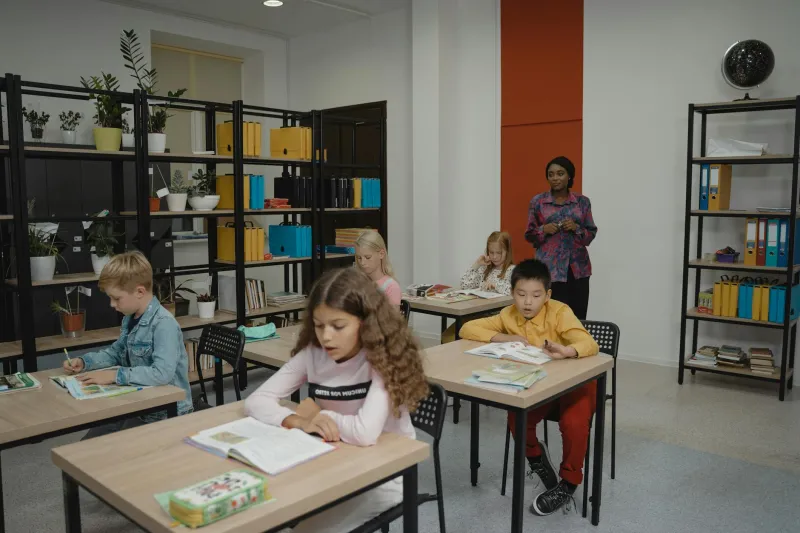
 Photo: Education Endowment Foundation, via www.literacyhive.org
The Cognitive Load of Vague Guidance
When teachers write "Add more detail" or "Make it more interesting," they're asking pupils to decode abstract concepts without providing concrete strategies. This places enormous cognitive burden on young writers who may lack the metacognitive awareness to translate general advice into specific actions.
Consider the difference between these two pieces of feedback for the same piece of writing:
Version A: "Great story! Try to make your characters more interesting next time."
Version B: "Your main character needs a clear motivation. What does she want most? Show this through her actions in paragraph two."
The second example provides specific, actionable guidance that pupils can immediately apply. It identifies a precise area for improvement and suggests a concrete strategy for addressing it.
The Time Trap: Quality Over Quantity
Many primary teachers feel pressure to provide written feedback on every piece of pupil writing, leading to rushed, generic comments that serve neither formative nor summative purposes effectively. This approach creates unsustainable workloads whilst delivering minimal educational impact.
Alternatively, consider focusing intensive feedback on fewer pieces of writing whilst using other strategies—peer assessment, verbal conferences, or targeted mini-lessons—to support ongoing development. This shift from comprehensive coverage to strategic intervention often produces superior outcomes whilst reducing teacher burnout.
Dialogue Over Monologue: The Power of Conversational Feedback
Written comments, however thoughtful, remain fundamentally one-sided conversations. Pupils receive feedback but cannot seek clarification, negotiate meaning, or demonstrate understanding. This limitation becomes particularly problematic when working with pupils who struggle to interpret written guidance independently.
Brief verbal conferences often prove far more effective than lengthy written comments. A two-minute conversation allows teachers to gauge pupil understanding, provide immediate clarification, and adjust guidance based on real-time responses. These dialogues also build relationships whilst developing pupils' ability to discuss their writing choices thoughtfully.
The Specificity Spectrum: From Vague to Valuable
Effective writing feedback operates along a specificity spectrum, from general encouragement to precise instructional guidance. The most powerful feedback combines acknowledgement of effort with targeted improvement strategies.
Rather than "Your writing is improving," consider "Your use of dialogue in paragraph three helps readers understand the character's feelings. Try this technique in paragraph five where the character makes an important decision."
This approach celebrates specific achievements whilst providing clear direction for continued growth. It also helps pupils recognise successful strategies they can apply independently in future writing.
Assessment-Informed Instruction: Feedback That Feeds Forward
The most effective feedback doesn't just comment on completed work—it informs future instruction. When teachers notice patterns in pupil writing (perhaps widespread confusion about paragraph structure or inconsistent punctuation), this information should shape subsequent lessons rather than generating individualised written comments.
This approach transforms assessment from post-hoc evaluation to dynamic instruction, ensuring that feedback loops directly into classroom teaching. It also reduces repetitive commenting whilst addressing common needs efficiently through whole-class or group instruction.
Digital Tools for Targeted Response
Technology offers new possibilities for providing specific, actionable feedback without increasing teacher workload. Audio comments allow for nuanced explanation whilst screen-casting tools enable teachers to model editing processes directly on pupil work.
Collaborative documents facilitate ongoing dialogue between teachers and pupils, moving beyond static comments towards dynamic conversation. These tools also create opportunities for peer feedback and self-assessment that develop pupils' critical evaluation skills.
The Motivation Paradox: When Praise Backfires
Counter-intuitively, excessive praise can actually undermine motivation, particularly for high-achieving pupils who may interpret generic encouragement as evidence that adults have low expectations. Research suggests that pupils prefer feedback that challenges them to improve over comments that simply celebrate current performance.
This doesn't mean abandoning encouragement, but rather ensuring that positive comments focus on specific achievements and effort rather than general ability. "You worked hard to find precise verbs in this paragraph" proves more motivating than "You're a natural writer."
Sustainable Systems: Making Change Manageable
Transforming feedback practices requires sustainable systems that support both teacher wellbeing and pupil progress. Consider implementing focused feedback cycles where different aspects of writing receive attention at different times—perhaps focusing on structure one week, vocabulary the next, and mechanics the following week.
This approach allows for deeper, more meaningful feedback whilst preventing the overwhelming task of addressing every aspect of writing simultaneously. It also helps pupils focus their improvement efforts rather than feeling overwhelmed by multiple areas for development.
Moving Beyond the Comfort Zone
Changing established feedback practices requires courage—courage to move beyond comfortable platitudes towards challenging, specific guidance that genuinely accelerates learning. It means accepting that effective feedback sometimes creates temporary discomfort as pupils grapple with new concepts and strategies.
However, this temporary challenge leads to lasting growth. When pupils receive clear, actionable guidance, they develop independence and confidence that far exceeds the fleeting boost provided by generic praise.
The path forward requires rethinking fundamental assumptions about what effective feedback looks like in primary classrooms. It means prioritising instructional value over emotional comfort, specificity over coverage, and dialogue over monologue. Most importantly, it means trusting that pupils can handle—and benefit from—feedback that challenges them to reach higher standards.
In doing so, we transform marking from time-consuming ritual into powerful tool for accelerating writing development across KS2.