The Rise of Classroom Book Clubs in UK Primary Education
Across England's primary schools, a quiet revolution is taking place. Teachers are discovering that traditional whole-class novel studies, whilst valuable, need not be the only approach to developing young readers. Classroom book clubs—small, teacher-facilitated groups where pupils engage in meaningful discussions about shared texts—are proving remarkably effective at cultivating genuine reading enthusiasm amongst Years 3-6 pupils.
Unlike external reading groups or after-school clubs, these classroom-based communities operate within the constraints of the primary timetable, making them accessible to all pupils regardless of home circumstances or transport arrangements. The model represents a shift from passive consumption of literature to active engagement, where pupils become literary critics, debate protagonists' motivations, and make connections between texts and their own experiences.
Building Foundations: Establishing Effective Book Club Structures
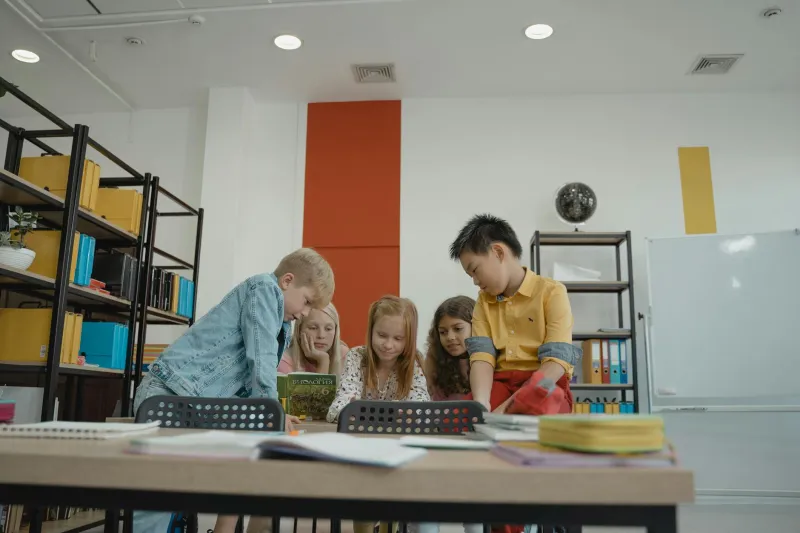
Successful classroom book clubs require careful architectural planning. The most effective models observed in UK schools typically involve groups of four to six pupils, mixed by reading ability but matched by interest or text preference. This composition ensures that stronger readers can model sophisticated thinking whilst less confident pupils contribute unique perspectives without fear of academic inadequacy.
Timing proves crucial to success. Many schools have found that dedicating two twenty-minute sessions per week yields optimal results—sufficient frequency to maintain narrative momentum whilst avoiding overwhelming the primary timetable. Some schools integrate book club time into guided reading sessions, whilst others establish dedicated slots during English lessons or even cross-curricular opportunities.
The physical environment matters significantly. Successful book clubs often operate in designated classroom areas with comfortable seating arrangements that promote discussion rather than formal instruction. Schools report that circular seating or informal groupings around tables create the collaborative atmosphere essential for meaningful dialogue.
Text Selection: Balancing Challenge with Engagement
Choosing appropriate texts presents both opportunity and challenge. The most successful programmes offer pupils genuine choice within carefully curated selections. Teachers might present three or four titles at similar reading levels, allowing groups to form around shared interest rather than imposed assignment.
Successful text choices typically share certain characteristics: they feature relatable protagonists facing age-appropriate dilemmas, contain sufficient complexity to sustain discussion, and offer multiple interpretative possibilities. Books such as Katherine Rundell's "The Explorer," Piers Torday's "The Last Wild," and Patrice Lawrence's "Orangeboy" have proven particularly effective in UK classrooms, offering contemporary relevance alongside literary merit.
Many schools maintain book club libraries specifically for these programmes, ensuring multiple copies of selected texts whilst building collections that reflect diverse voices and experiences. This investment, whilst requiring initial funding, proves economical when spread across multiple year groups and academic years.
Facilitating Meaningful Discussion: The Teacher's Role
The teacher's role in classroom book clubs differs markedly from traditional literature instruction. Rather than directing interpretation, successful facilitators guide pupils toward their own discoveries through carefully crafted questioning and active listening. This requires considerable skill and preparation.
Effective facilitation begins with establishing clear discussion protocols. Pupils need explicit instruction in active listening, respectful disagreement, and building upon others' ideas. Many teachers introduce sentence stems such as "I noticed that..." or "This reminds me of..." to scaffold initial discussions before pupils develop independent discussion skills.
The most successful facilitators resist the urge to correct or guide pupils toward predetermined interpretations. Instead, they ask probing questions that encourage deeper thinking: "What evidence from the text supports that idea?" or "How might the story change if told from another character's perspective?" This approach validates pupils' thinking whilst developing critical analysis skills.
Measuring Impact: Beyond Traditional Assessment
Assessing book club effectiveness requires moving beyond conventional comprehension tests toward more nuanced evaluation methods. Many schools employ reading attitude surveys, tracking pupils' voluntary reading choices and self-reported confidence levels alongside traditional attainment measures.
Observational assessment proves particularly valuable. Teachers document pupils' discussion contributions, noting development in areas such as textual referencing, inferential thinking, and collaborative skills. Some schools maintain reading portfolios where pupils reflect on their book club experiences through written responses or creative projects.
Quantitative measures remain important. Schools typically track reading age progression, comprehension scores, and engagement with independent reading. However, the most compelling evidence often emerges through qualitative observation: previously reluctant readers volunteering to share insights, pupils making sophisticated textual connections, or children requesting additional copies of club books for home reading.
Overcoming Implementation Challenges
Despite their effectiveness, classroom book clubs face practical obstacles. Time constraints within busy primary timetables require creative solutions. Some schools integrate book club discussions into other subjects—exploring historical fiction during history lessons or environmental themes during geography topics.
Funding represents another challenge, particularly for schools with limited resources. Successful programmes often begin modestly with donated books or library loans before gradually building dedicated collections. Parent-teacher associations and local businesses sometimes provide funding support when presented with clear educational benefits.
Teacher confidence in facilitating open-ended literary discussions varies considerably. Professional development focusing on questioning techniques and discussion facilitation proves essential. Many schools pair experienced practitioners with colleagues new to the approach, creating supportive learning partnerships.
The Lasting Impact on Reading Culture
Schools implementing successful book club programmes report transformative effects extending far beyond individual sessions. Classrooms develop reading cultures where literary discussion becomes natural and valued. Pupils begin recommending books to peers, engaging in informal literary conversations, and viewing themselves as legitimate members of reading communities.
Perhaps most significantly, book clubs democratise literary engagement. All pupils, regardless of reading level or background, can contribute meaningful insights to group discussions. This inclusive approach builds confidence whilst developing the collaborative skills essential for lifelong learning.
As UK primary schools continue seeking innovative approaches to literacy education, classroom book clubs offer a proven model for creating genuine reading communities within existing structures. The investment in time and resources yields dividends in pupil engagement, comprehension development, and most importantly, the cultivation of lifelong reading habits.