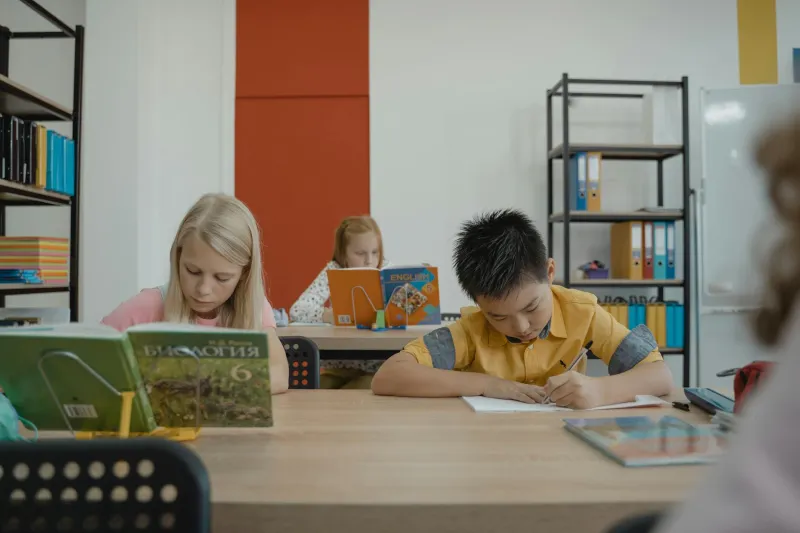
Whilst classic British poetry retains its place in the KS2 curriculum, today's primary pupils deserve to encounter voices that reflect their own experiences and celebrate the diversity of contemporary Britain. These five exceptional poets offer classroom-ready work that resonates with Years 3-6 pupils whilst delivering powerful vocabulary development and cultural connection opportunities.
Joseph Coelho: The Master of Accessible Depth
Best suited for: Years 4-6, particularly for exploring themes of identity and urban life
 Photo: Joseph Coelho, via www.thepoetryofjosephcoelho.com
Joseph Coelho's work bridges the gap between playground language and sophisticated literary expression, making complex emotions accessible to primary pupils. His collection Overheard in a Tower Block transforms everyday urban experiences into compelling poetry that speaks directly to children's lived experiences.
Coelho's poem "If All the World Were Paper" demonstrates his gift for taking familiar concepts and stretching them into imaginative territories. The piece begins with a simple premise—what if everything were made of paper?—then evolves into a meditation on fragility, creativity, and environmental responsibility.
Classroom Applications
- Vocabulary building: Coelho's urban imagery introduces pupils to sophisticated descriptive language whilst remaining grounded in familiar contexts
- Writing inspiration: His "what if" approach provides excellent scaffolding for pupils' own imaginative poetry
- Cross-curricular links: Many poems connect naturally to geography (urban environments) and PSHE (community, belonging)
Curriculum connections: Perfectly supports the requirement for pupils to "recognise some different forms of poetry" whilst building vocabulary through "reading books that are structured in different ways."
Valerie Bloom: Celebrating Caribbean-British Heritage
Best suited for: Years 3-5, excellent for rhythm, rhyme, and cultural exploration
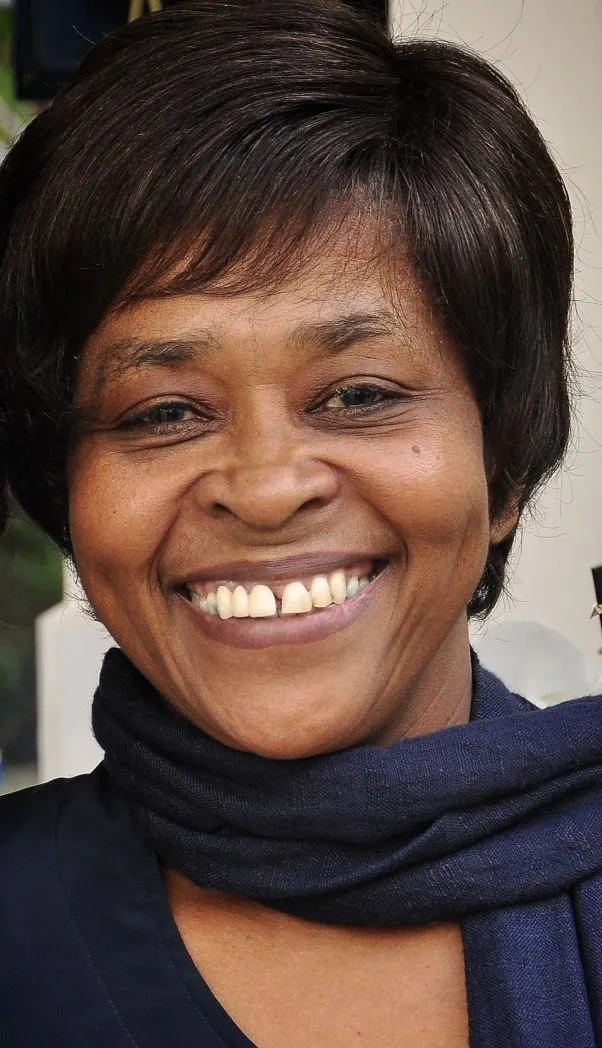 Photo: Valerie Bloom, via alchetron.com
Valerie Bloom's poetry brings the rhythms and storytelling traditions of Caribbean culture into British classrooms, offering pupils exposure to different linguistic patterns whilst celebrating multicultural identity. Her work demonstrates how poetry can preserve and share cultural heritage.
Her poem "Chicken Dinner" showcases Bloom's ability to capture family dynamics through vivid, humorous imagery that pupils instantly connect with. The piece explores themes of growing up, family expectations, and cultural traditions through accessible language and strong rhythmic patterns.
Teaching Strategies
- Performance poetry: Bloom's rhythmic work lends itself beautifully to classroom performance, supporting fluency development
- Cultural connections: Her poems provide natural starting points for discussions about heritage, family traditions, and cultural identity
- Language variety: Pupils encounter different English dialects and expressions, broadening their understanding of language diversity
Assessment opportunities: Pupils can demonstrate understanding by identifying rhythm patterns, explaining cultural references, or creating their own family-tradition poems using Bloom's techniques.
John Agard: The Playful Language Revolutionary
Best suited for: Years 4-6, particularly effective for reluctant readers and language play enthusiasts
John Agard transforms language into playground equipment, demonstrating how words can be stretched, twisted, and reimagined. His poetry shows pupils that language belongs to them—they can play with it, challenge it, and make it their own.
His famous "Half-Caste" poem, whilst perhaps more suitable for upper KS2 with careful handling, demonstrates Agard's power to use wordplay for serious social commentary. For younger pupils, his collection We Animals Would Like a Word with You offers more immediately accessible pieces that still showcase his linguistic innovation.
Classroom Implementation
- Word investigation: Agard's playful approach to language encourages pupils to experiment with word formation and meaning
- Confidence building: His humorous, accessible style helps reluctant readers engage with poetry
- Critical thinking: Many poems encourage pupils to question assumptions and think differently about familiar concepts
Grace Nichols: Bridging Worlds Through Poetry
Best suited for: Years 3-6, exceptional for imagery and sensory language development
Grace Nichols creates poetry that celebrates the connections between different places, cultures, and experiences. Her work helps pupils understand how poets use specific, concrete imagery to convey abstract emotions and ideas.
Her poem "Island Man" demonstrates masterful use of sensory detail and structure to convey the immigrant experience. For KS2 pupils, this provides an excellent example of how poets use specific images ("sound of blue surf," "grey metallic soar") to create emotional impact.
Educational Applications
- Imagery workshops: Nichols' concrete, sensory language provides excellent models for pupils' own descriptive writing
- Geography connections: Her poems about different places support learning about world cultures and environments
- Emotional literacy: Her work helps pupils understand how specific details can convey complex feelings
Benjamin Zephaniah: The Activist Poet
Best suited for: Years 5-6, particularly powerful for social awareness and environmental themes
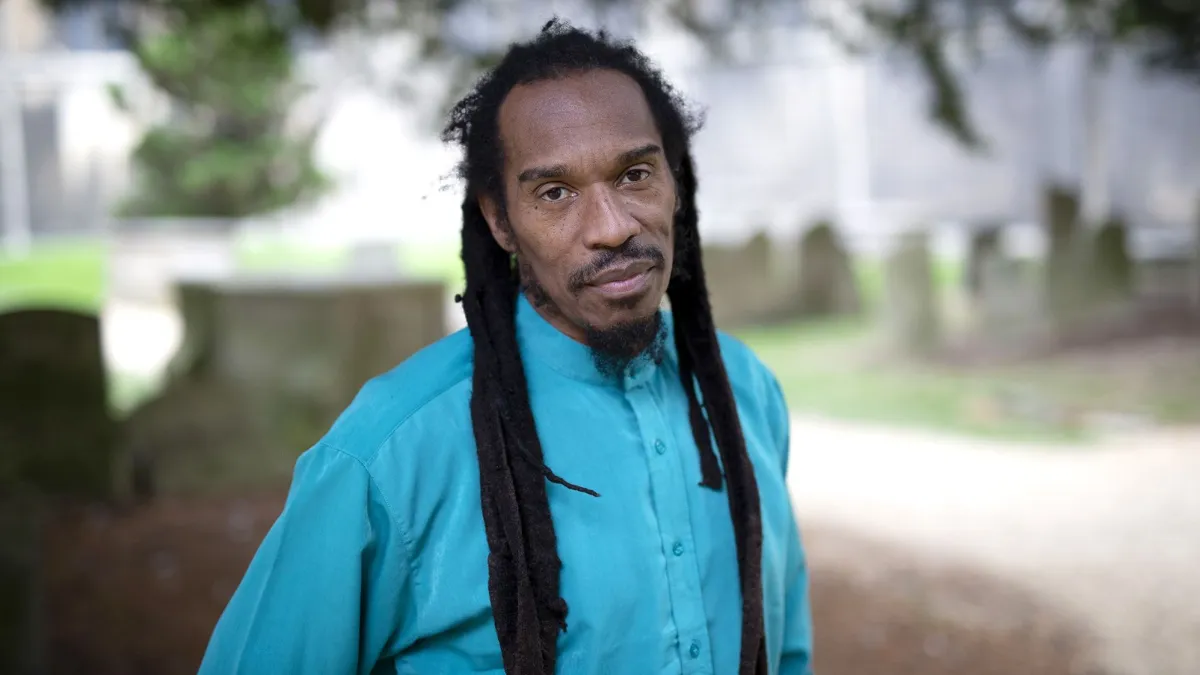 Photo: Benjamin Zephaniah, via media.cnn.com
Benjamin Zephaniah demonstrates how poetry can be a tool for social change, showing pupils that their voices matter and their words can make a difference. His work combines serious themes with accessible language and strong rhythmic patterns.
His poem "The British" challenges pupils to think about identity and belonging in contemporary Britain, whilst pieces like "Talking Turkeys" use humour to explore serious environmental and ethical issues.
Classroom Strategies
- Social awareness: Zephaniah's work naturally leads to discussions about fairness, environmental responsibility, and social justice
- Persuasive techniques: His activist poetry demonstrates how poets use rhythm, repetition, and imagery to convince readers
- Personal voice: His example encourages pupils to find their own authentic voices in writing
Implementing Contemporary Poetry in KS2
Creating an Inclusive Poetry Programme
Integrating these voices requires thoughtful planning that balances exposure to different perspectives with curriculum requirements. Consider organising poetry units around themes rather than chronology, allowing pupils to encounter diverse voices alongside traditional poets.
Practical Progression
Year 3: Begin with Valerie Bloom's rhythmic, story-based poems that connect to pupils' experiences Year 4: Introduce Joseph Coelho's urban imagery and John Agard's playful language experiments Year 5: Explore Grace Nichols' sophisticated imagery and introduce Benjamin Zephaniah's social themes Year 6: Deepen engagement with all voices, encouraging critical analysis and personal response
Assessment and Evaluation
These poets provide rich assessment opportunities. Pupils can demonstrate understanding through performance, creative response, comparative analysis, or personal poetry creation inspired by techniques they've studied.
Conclusion
Contemporary British poetry offers KS2 teachers powerful tools for engaging diverse learners whilst meeting curriculum requirements. These five poets—Joseph Coelho, Valerie Bloom, John Agard, Grace Nichols, and Benjamin Zephaniah—provide windows into different experiences whilst celebrating the rich linguistic heritage of modern Britain.
By incorporating these voices alongside traditional poets, teachers create classrooms where every pupil can find reflection of their own experience whilst discovering new perspectives. This approach transforms poetry from a historical curiosity into a living, breathing art form that speaks directly to young people's lives and concerns.