Every September, well-meaning primary teachers across the UK carefully plan their literacy blocks, history lessons, science investigations, and geography studies as separate entities. Yet this compartmentalised approach represents one of the most significant missed opportunities in contemporary primary education.
The artificial division between 'literacy time' and 'everything else' not only limits pupils' reading development but actively undermines their ability to see reading as a tool for learning rather than a subject to be endured. It's time to challenge this orthodoxy and embrace the transformative potential of genuinely integrated reading instruction.
The Case Against Subject Segregation
Traditional primary timetables create a peculiar paradox. During literacy lessons, pupils encounter carefully levelled fiction texts designed primarily for skill development. During topic work, they're expected to navigate complex non-fiction materials without the scaffolding and explicit instruction they receive in designated reading time.
This separation sends a clear but unintended message: reading skills learned during literacy lessons don't transfer to 'real' learning situations. The result? Pupils who can decode successfully during guided reading sessions but struggle when encountering subject-specific vocabulary in science texts or primary sources in history lessons.
Research from the Education Endowment Foundation consistently demonstrates that pupils make greater progress when reading instruction is purposeful and connected to meaningful content. Yet many schools persist with decontextualised comprehension exercises whilst simultaneously wondering why pupils lack enthusiasm for reading.
The Integration Advantage
When reading instruction becomes genuinely integrated across subjects, several powerful benefits emerge simultaneously:
Enhanced Subject Knowledge Retention: Pupils who read extensively about historical periods, scientific concepts, or geographical phenomena develop deeper, more durable understanding than those relying solely on teacher exposition or textbook summaries.
Improved Reading Stamina: Purpose-driven reading naturally extends attention spans. A Year 5 pupil investigating Viking settlements will persist with challenging texts far longer than the same child would engage with generic comprehension passages.
Authentic Vocabulary Development: Subject-specific terminology encountered in meaningful contexts becomes part of pupils' active vocabulary more readily than words learned through isolated vocabulary exercises.
Critical Thinking Skills: Cross-curricular reading naturally develops skills in comparing sources, evaluating evidence, and synthesising information from multiple texts – capabilities essential for academic success beyond primary school.
Strategic Implementation Without Overload
The most common objection to integrated reading approaches centres on teacher workload concerns. However, strategic implementation actually reduces planning burden whilst improving outcomes.
The Content-First Planning Model
Begin curriculum planning with subject content rather than isolated skills. Instead of planning separate lessons for 'inference skills' and 'Tudor monarchy', design investigations that require pupils to infer information about Tudor life from primary sources.
This approach eliminates duplication whilst ensuring skills development occurs within meaningful contexts. Pupils learn inference through engaging with genuine historical mysteries rather than artificial comprehension exercises.
Text Selection Strategies
Effective cross-curricular reading programmes require careful text curation, but this need not overwhelm teachers. Focus on three key text types:
Primary Sources: Historical documents, scientific observations, and contemporary accounts provide authentic reading challenges whilst building subject knowledge. The National Archives' education resources offer excellent starting points for history integration.
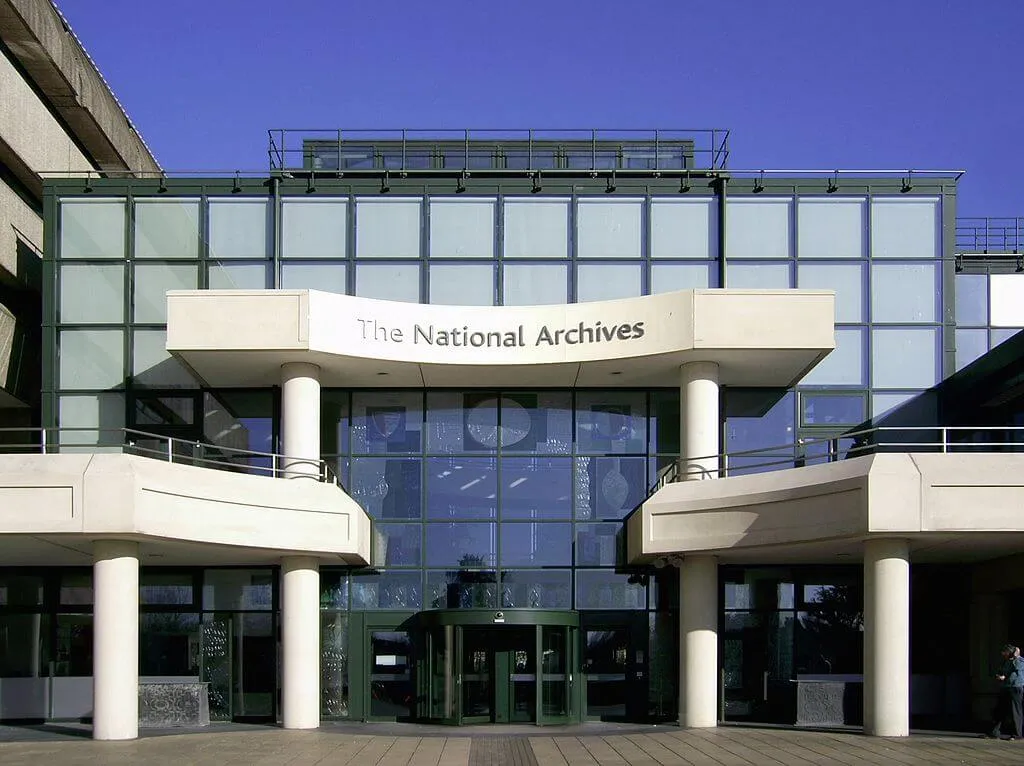 Photo: The National Archives, via www.fibis.org
Expert Explanations: Well-written non-fiction texts by subject specialists offer pupils access to authoritative information whilst modelling sophisticated academic writing. Publishers like Dorling Kindersley and Usborne produce subject-specific texts perfectly pitched for KS2 readers.
Cross-Curricular Fiction: Historical novels, science-themed stories, and geographically situated narratives combine reading pleasure with curriculum content. Authors like Terry Deary, Lynne Reid Banks, and Michael Morpurgo have created extensive catalogues of curriculum-linked fiction.
 Photo: Michael Morpurgo, via artscentre.je
 Photo: Terry Deary, via vhx.imgix.net
Practical Integration Examples
History-Reading Partnerships
Transform World War Two studies by replacing worksheet-based lessons with document analysis sessions. Pupils examine evacuation letters, wartime diaries, and propaganda posters, developing both historical understanding and inference skills simultaneously.
Structure these sessions using consistent questioning frameworks:
- "What can we learn about daily life from this source?"
- "What questions does this document raise?"
- "How might the author's perspective influence what they've included or omitted?"
These questions develop both historical thinking and critical reading skills without requiring separate lesson planning.
Science-Literacy Connections
Science investigations provide natural opportunities for developing explanatory writing and technical reading skills. Instead of recording observations on predetermined worksheets, pupils maintain detailed science journals using subject-specific vocabulary.
Reading scientific explanations becomes purposeful when pupils need information to understand their own experimental results. A Year 4 investigation into plant growth becomes more meaningful when pupils read about photosynthesis to explain their observations.
Geography Through Multiple Perspectives
Geography lessons offer rich opportunities for comparing texts and evaluating different viewpoints. Studying climate change through multiple sources – scientific reports, news articles, and personal accounts from affected communities – develops both geographical understanding and critical reading skills.
Pupils learn to identify bias, compare evidence quality, and synthesise information from diverse sources whilst building knowledge about environmental issues.
Assessment Integration
Integrated approaches require adjusted assessment strategies that recognise the interconnected nature of skills and knowledge development. Rather than testing reading skills in isolation, assess pupils' ability to use reading for learning.
Design assessment tasks that mirror real-world reading purposes:
- Research projects requiring information synthesis from multiple sources
- Comparative analyses of different accounts of the same historical event
- Scientific report writing based on investigation findings
- Persuasive writing campaigns addressing geographical or environmental issues
These assessments provide more authentic measures of reading capability whilst generating evidence of subject knowledge development.
Overcoming Implementation Barriers
Time Constraints
The most effective integrated programmes actually save time by eliminating artificial divisions between subjects. A morning spent investigating Roman Britain through primary sources develops history knowledge, reading comprehension, vocabulary, and research skills simultaneously.
Resource Concerns
Many schools already possess the resources needed for cross-curricular reading but haven't organised them strategically. Audit existing book stocks, digital subscriptions, and online resources to identify cross-curricular potential.
Assessment Pressures
Integrated reading approaches often improve SATs results because pupils encounter a broader range of text types and develop stronger comprehension skills through purposeful practice. The key lies in maintaining high expectations whilst providing meaningful contexts for skill development.
The Transformation Potential
Schools that successfully implement integrated reading approaches report significant changes in pupil engagement and achievement. Reading becomes a tool for discovering fascinating information rather than a hurdle to overcome. Pupils develop genuine curiosity about topics and demonstrate improved retention of both skills and content.
Teachers find their own subject knowledge deepening as they engage with cross-curricular texts alongside their pupils. Professional development occurs naturally through collaborative planning and shared expertise across subject boundaries.
The journey towards integrated reading instruction requires initial investment in planning and resource organisation. However, schools that commit to this approach discover that breaking down artificial subject barriers creates more efficient, engaging, and effective learning experiences for both pupils and teachers.
By recognising reading as the fundamental tool for learning rather than a separate subject to be mastered, primary schools can transform educational outcomes whilst reigniting the joy of discovery that should lie at the heart of all learning.