The Great Year 6 Dilemma
Every February, a familiar anxiety settles over Year 6 classrooms across England. Teachers feel the mounting pressure to abandon rich literary experiences in favour of test practice papers, comprehension extracts, and technique drilling. The implicit message becomes clear: real reading must wait until after SATs.
Yet emerging evidence suggests this approach may be counterproductive. Schools that maintain strong reading cultures throughout Year 6 consistently outperform those that shift to test-focused instruction, whilst their pupils emerge with reading habits intact rather than damaged.
The False Choice
The perceived tension between SATs success and reading enjoyment represents a false dichotomy that has plagued primary education for years. Recent analysis of high-performing schools reveals that the most successful Year 6 classes integrate authentic reading experiences with strategic test preparation rather than viewing them as competing priorities.
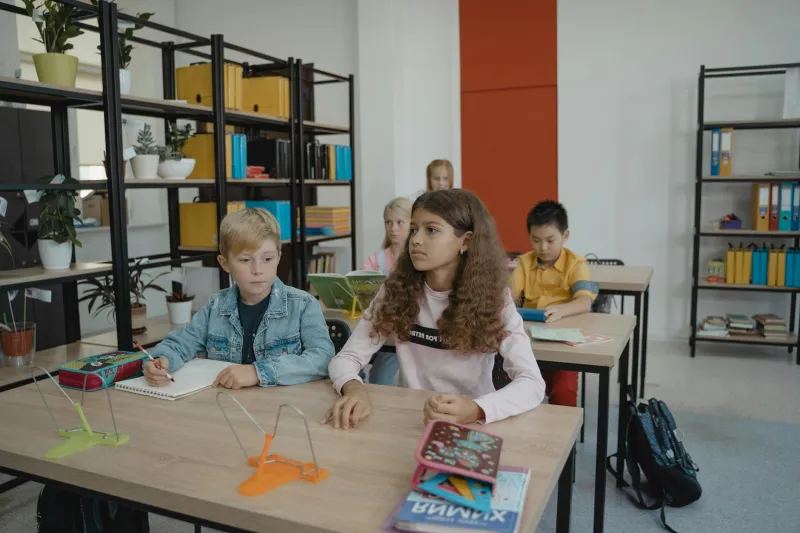
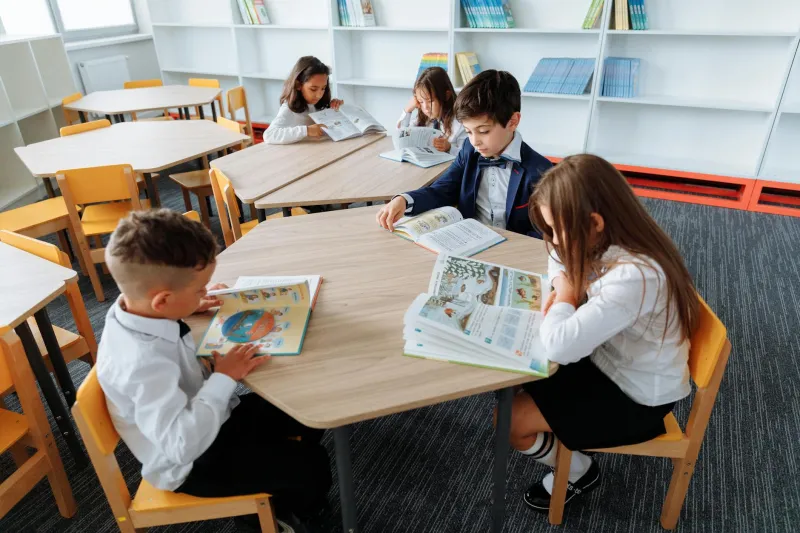
Consider Parkfield Primary in Manchester, where Year 6 pupils consistently exceed national averages whilst maintaining the highest library borrowing rates in the school. Their secret? Teacher Emma Richardson refuses to sacrifice storytime, independent reading, or book discussions for additional test practice.
 Photo: Parkfield Primary, via img2.storyblok.com
"The children who read widely and talk passionately about books are the same ones who excel in comprehension tests," Richardson explains. "You can't separate the two."
Strategic Integration Approaches
Morning Literature Circles
Begin each day with 15-minute literature circles focused on engaging texts that pupils have chosen. These discussions build the inferential thinking and analytical skills that SATs demand whilst maintaining reading motivation.
Structure these sessions around open-ended questions that mirror test requirements: "What evidence suggests the character feels conflicted?" or "How does the author create tension in this scene?" Pupils develop test-relevant skills through meaningful engagement rather than mechanical practice.
Cross-Curricular Reading Projects
Weave extensive reading into history, science, and geography topics. Year 6 pupils studying World War Two might read "Letters from the Lighthouse" alongside their historical studies, developing both subject knowledge and reading stamina.
This approach serves multiple purposes: pupils encounter diverse text types, build background knowledge that supports comprehension, and maintain reading volume without sacrificing curriculum coverage.
Author Study Deep Dives
Dedicate monthly blocks to studying single authors whose work spans different genres and complexity levels. A Michael Morpurgo study might include picture books, short stories, and full novels, exposing pupils to varied text structures whilst building familiarity with sophisticated themes.
These studies naturally develop the comparative skills that SATs require whilst fostering the kind of deep textual knowledge that supports genuine comprehension.
The Motivation Research
Educational psychology research consistently demonstrates that intrinsic motivation predicts long-term achievement more reliably than short-term skill drilling. Pupils who maintain reading engagement through Year 6 show:
- Superior performance on unseen texts
- Greater vocabulary growth
- Enhanced inferential reasoning
- Improved stamina for lengthy comprehension tasks
Dr. Teresa Cremin's research with the Open University found that pupils who experienced rich reading diets throughout Year 6 outperformed their peers on SATs by an average of 1.2 sub-levels, whilst maintaining positive attitudes toward reading that persisted into secondary school.
Addressing Teacher Anxieties
Many Year 6 teachers express genuine concern about balancing competing demands. The pressure to demonstrate progress through test scores can feel overwhelming, particularly for teachers whose performance management depends on SATs outcomes.
The solution lies in reframing reading culture as test preparation rather than separate from it. When pupils engage with challenging texts regularly, discuss complex themes, and develop reading stamina, they're building precisely the skills that SATs assess.
Evidence-Based Reassurance
Track reading engagement alongside test scores to demonstrate the correlation. Schools using reading logs, book recommendation chains, and literature discussion quality rubrics often find that pupils' authentic reading behaviours predict test performance more accurately than practice paper scores.
Practical Implementation Strategies
The 80/20 Rule
Dedicate 80% of reading time to authentic literature experiences and 20% to strategic test preparation. This ratio ensures pupils encounter the volume and variety of texts necessary for genuine comprehension development whilst building familiarity with test formats.
Family Reading Challenges
Engage families in maintaining reading culture at home through shared reading challenges, book recommendation exchanges, and celebration events. Parents often appreciate schools that prioritise genuine literacy over test preparation.
Assessment for Learning
Use formative assessment strategies that serve dual purposes: monitoring comprehension development whilst maintaining reading motivation. Book talks, reading conferences, and literature response journals provide rich assessment data without the artificial constraints of test papers.
The Long-Term Perspective
Whilst SATs results matter for accountability purposes, the ultimate goal remains developing lifelong readers who can navigate increasingly complex texts with confidence and enjoyment. Pupils who emerge from Year 6 with strong test scores but damaged reading relationships have been poorly served.
Secondary teachers consistently report that pupils who arrive with genuine reading habits adapt more successfully to GCSE demands than those whose primary experience focused narrowly on test preparation.
Creating Sustainable Practices
The most successful Year 6 teachers develop sustainable practices that serve both immediate and long-term goals. They recognise that genuine reading engagement provides the strongest foundation for test success whilst preserving the joy that motivates continued growth.
As one headteacher reflected: "We stopped seeing SATs and reading love as competing priorities when we realised they're actually the same goal achieved through different timescales."
The Way Forward
Year 6 need not be a literary wasteland where authentic reading disappears beneath test preparation. Instead, it can represent the culmination of primary reading education: a year where pupils apply their developing skills to increasingly sophisticated texts whilst maintaining the passion that will sustain lifelong learning.
The choice between SATs success and reading enjoyment is indeed false. The most effective approach recognises that genuine reading culture provides the strongest foundation for both immediate test performance and long-term literacy success.