Beneath the familiar landscape of contemporary children's literature lies a treasure trove of storytelling wisdom that has shaped narrative traditions for generations. British and Irish folklore — from the mist-shrouded tales of Scottish selkies to the earth-bound wisdom of Cornish piskies — offers KS2 teachers an extraordinary resource for developing children's understanding of story structure and narrative craft.
These ancient tales, refined through centuries of oral tradition, contain within their seemingly simple frameworks the essential patterns that underpin all compelling storytelling. When teachers harness this cultural inheritance, they provide children with both literary heritage and practical tools for creating their own powerful narratives.
The Architecture of Ancient Stories
Folktales survive across generations precisely because they embody fundamental narrative structures that resonate with human psychology. Unlike contemporary stories that may prioritise novelty or subvert expectations, traditional tales reveal the essential architecture of storytelling in its purest form.
Consider the Welsh legend of Blodeuwedd, created from flowers but transformed into an owl as consequence for betrayal. This tale demonstrates the classic transformation arc that appears throughout world literature: character creation, moral choice, and permanent change as result of action. Children who understand this pattern can recognise it in contemporary novels and apply it in their own story writing.
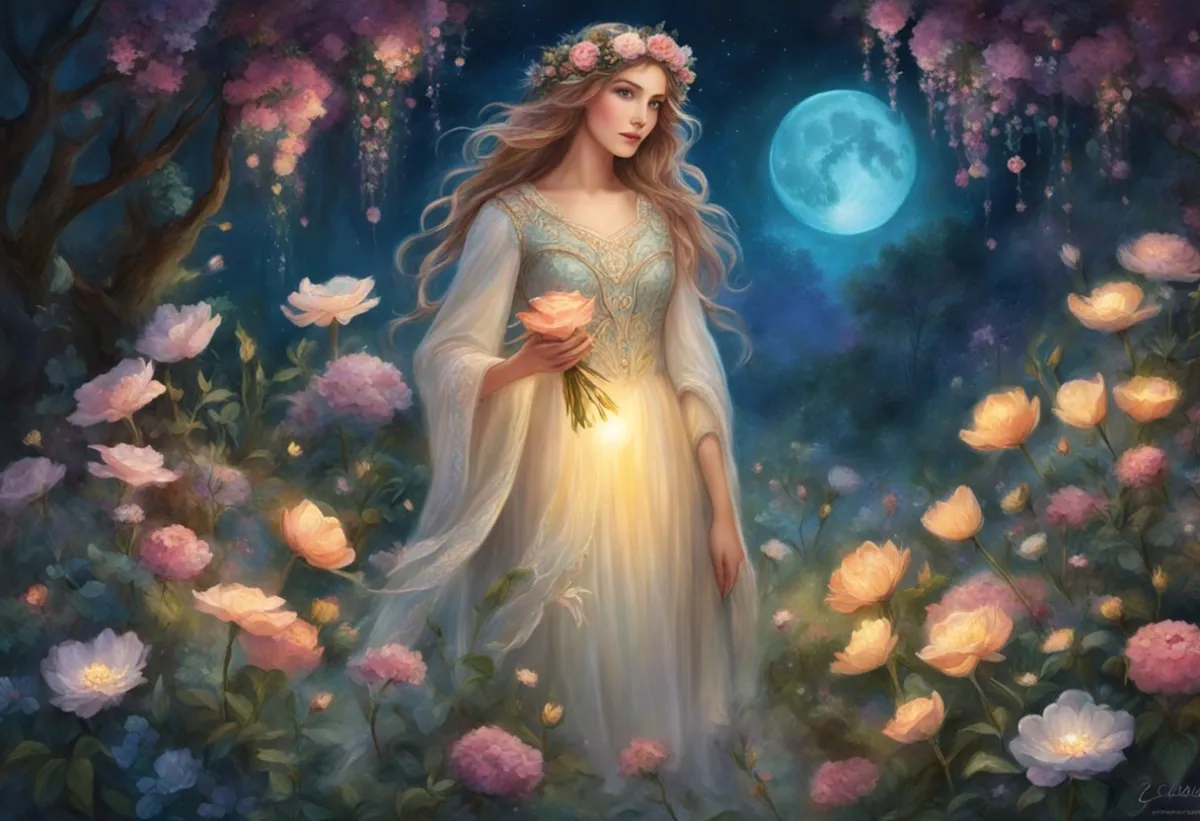 Photo: Blodeuwedd, via koala.sh
The Rule of Three in Practice
British folklore consistently employs the rule of three — three wishes, three tests, three brothers — creating patterns that feel satisfying to human cognition. The Scottish tale of the Three Feathers, where each brother must complete increasingly difficult tasks, provides an excellent framework for children learning to structure episodic narratives.
When Year 4 pupils create their own "three challenges" stories, they're not just following a formula but engaging with a narrative rhythm that has proven compelling across cultures and centuries. This pattern teaches natural story progression whilst providing sufficient structure to support developing writers.
Regional Richness: A Map of Story Traditions
Cornwall's Piskie Wisdom
Cornish piskie tales offer unique insights into consequence-based storytelling. These diminutive beings reward kindness and punish selfishness through clever tricks and magical interventions. The story of the farmer who shares his lunch with piskies and finds his fields mysteriously weeded overnight teaches children about character motivation and natural consequences.
Using piskie tales as models, children can explore cause-and-effect relationships in their own stories whilst developing understanding of character motivation and moral consequence.
Scottish Selkie Legends
The haunting tales of selkies — seal people who can shed their skins to become human — provide sophisticated frameworks for exploring themes of identity, belonging, and choice. The classic selkie narrative follows a clear pattern: discovery, transformation, conflict between two worlds, and ultimate choice.
These stories offer Year 6 pupils opportunities to explore complex emotional themes within structured narrative frameworks, developing both technical writing skills and emotional intelligence.
Welsh Mabinogion Patterns
The ancient Welsh stories collected in the Mabinogion demonstrate sophisticated narrative techniques including parallel storylines, recurring motifs, and symbolic imagery. The tale of Culhwch and Olwen, with its impossible tasks and magical assistance, provides children with models for adventure narratives that balance realistic character motivation with fantastical elements.
Irish Mythological Cycles
Irish folklore offers rich examples of heroic narratives, particularly through tales of Cú Chulainn and the Fianna. These stories demonstrate how individual character flaws can drive entire narratives, teaching children that compelling protagonists are defined by their struggles rather than their perfections.
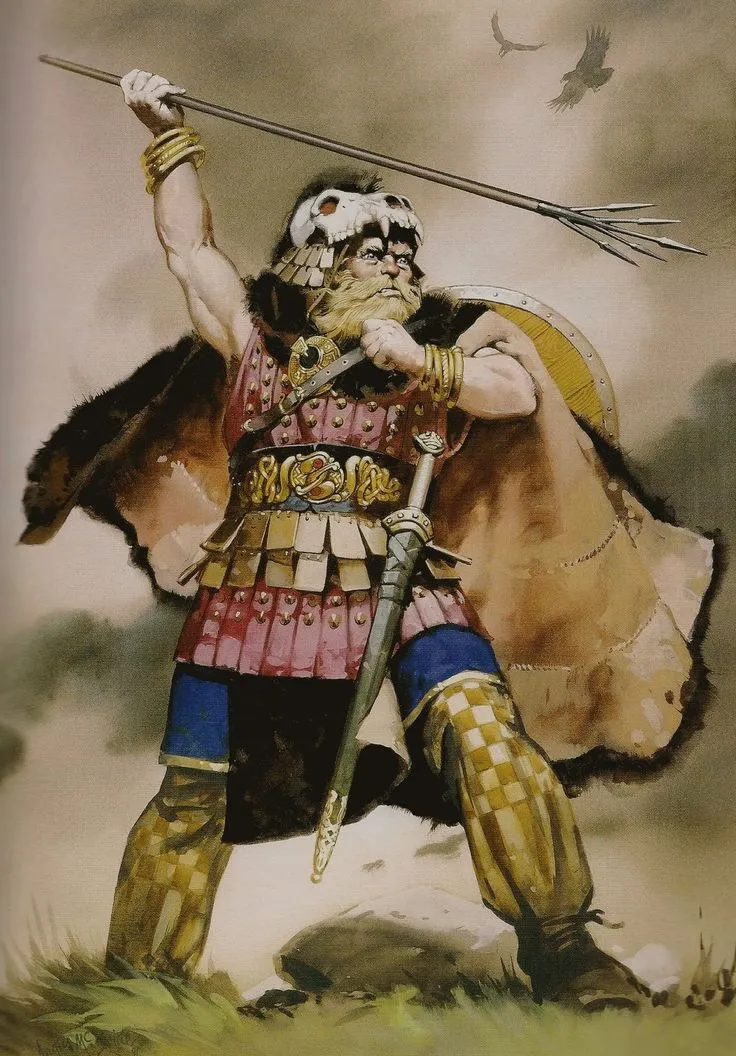 Photo: Cú Chulainn, via i.pinimg.com
Practical Implementation Strategies
Story Structure Mapping
Begin by reading traditional tales together, then create visual maps identifying key structural elements:
- Opening situations that establish character and setting
- Inciting incidents that launch the main action
- Escalating challenges that test character resolve
- Climactic moments where character choices determine outcomes
- Resolution patterns that provide satisfying closure
Children can then use these maps as templates for planning their own narratives, ensuring structural coherence whilst maintaining creative freedom.
Character Archetype Exploration
Folklore presents clear character archetypes — the wise woman, the trickster, the innocent, the hero — that children can analyse and adapt. Rather than copying these figures directly, pupils learn to understand their narrative functions and create contemporary equivalents.
A modern story might feature a school caretaker who serves the same narrative function as a folklore wise woman, offering crucial advice at pivotal moments whilst maintaining mysterious knowledge about the protagonist's challenges.
Cultural Context Integration
Connect folklore study with geography and history lessons, helping children understand how landscape and culture shape storytelling traditions. Children living in mountainous regions might explore giant tales, whilst those near coastlines investigate sea-based legends.
This integration deepens children's connection to their local heritage whilst providing authentic contexts for story creation. A class in the Scottish Highlands might write modern stories inspired by selkie patterns but set in contemporary Highland communities.
Developing Cultural Literacy
Folklore study contributes significantly to children's cultural literacy, helping them understand references and patterns that appear throughout British literature. When Year 5 pupils encounter transformation themes in contemporary novels, their familiarity with folklore patterns enhances comprehension and analytical ability.
This cultural knowledge also builds national identity and regional pride. Children who understand their local storytelling traditions develop stronger connections to place and heritage, creating foundations for lifelong cultural engagement.
Assessment Through Story Analysis
Folklore-based narrative teaching provides excellent assessment opportunities that move beyond simple technical marking. Children can demonstrate understanding through:
Comparative Analysis
Compare different versions of the same tale from various regions, identifying how local culture influences storytelling choices. This develops analytical skills whilst highlighting the dynamic nature of oral tradition.
Pattern Recognition
Identify folklore patterns in contemporary children's literature, demonstrating transfer of learning across different text types and time periods.
Creative Adaptation
Create modern retellings that maintain traditional structural patterns whilst updating settings, characters, and conflicts for contemporary audiences.
Addressing Modern Sensibilities
Some folklore contains elements that require careful handling in contemporary classrooms — outdated gender roles, cultural stereotypes, or moral assumptions that don't align with modern values. Effective teachers address these issues directly, using them as opportunities for critical thinking rather than avoiding folklore altogether.
Discuss how stories reflect their historical contexts whilst extracting timeless structural and thematic elements that remain relevant. This approach develops children's critical literacy skills whilst preserving access to their cultural inheritance.
Building Writing Confidence
Folklore provides scaffolding that supports developing writers without constraining creativity. Children who struggle with original story creation often flourish when working within traditional frameworks that provide structure whilst allowing personal interpretation.
The familiar patterns of folklore create psychological safety for risk-taking in other narrative elements. A child who knows their story follows a tested three-challenge structure might experiment more boldly with character development or descriptive language.
Cross-Curricular Connections
Folklore study naturally connects with multiple curriculum areas:
- History: Understanding how stories preserve cultural memory
- Geography: Exploring how landscape influences narrative traditions
- Art: Creating visual interpretations of traditional tales
- Music: Discovering traditional songs that preserve story elements
- Drama: Performing tales to understand oral tradition dynamics
These connections reinforce learning whilst demonstrating the integrated nature of human cultural expression.
Conclusion
British and Irish folklore offers KS2 teachers an invaluable resource that combines practical writing instruction with cultural education. These ancient stories, refined through generations of telling, contain within their seemingly simple structures the essential patterns that create compelling narratives.
When children master these traditional frameworks, they gain both technical writing skills and cultural literacy that serves them throughout their educational journey. More importantly, they connect with the continuing story of their own cultural heritage, understanding themselves as part of an ongoing narrative tradition that stretches from ancient firesides to contemporary classrooms.
The folklore classroom honours both past and future, using ancient wisdom to develop modern skills whilst ensuring that these precious cultural treasures continue to inspire new generations of storytellers.